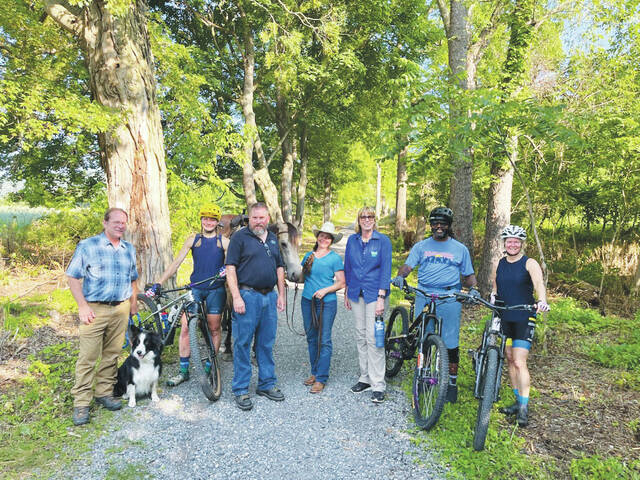

Opening the First Phase of Musser Gap Trail: A New Chapter for Outdoor Recreation in Pennsylvania
The recent ceremonial opening of the first 7.5 miles of the Musser Gap Trail in Centre County marks a turning point for outdoor enthusiasts and local communities alike. With an investment of $2.4 million in land acquisitions and trail development, this project is more than just a pathway—it is a bridge connecting nature lovers, local governments, and communities prepared to reimagine their connection with the outdoors. The effort is driven by strategic partnerships including the Rothrock Trail Alliance, ClearWater Conservancy, local officials, and passionate citizens. This opinion piece takes a closer look at what the project represents, the tricky parts involved in its development, and the many ways it is set to benefit Pennsylvania’s $19 billion outdoor recreation economy.
Reimagining Sustainable Trail Infrastructure for Community Connection
As Pennsylvania seeks to build a 50-mile loop of natural-surface trails, the Musser Gap project stands as a glowing example of what can be achieved through cooperation and careful planning. The long-term vision is to create sustainable biking, hiking, and equestrian trails that link up with hundreds of preexisting paths throughout Rothrock State Forest. This integrated network is intended to offer communities a reliable and safe connection to nature that is both accessible and environmentally friendly.
Benefits of Sustainable Trail Development for Local Communities
For many local residents, this new trail system is not just about recreational opportunities. It represents an essential tool for community engagement and local economic growth. Here are some of the critical benefits:
- Enhanced Outdoor Accessibility – Making it easier for families, senior citizens, and active adventurers to enjoy the outdoors.
- Economic Boost – By attracting outdoor enthusiasts, local businesses along the trail corridors can experience increased patronage.
- Environmental Stewardship – Sustainable trail development focuses on reducing environmental impact, preserving natural habitats, and fighting erosion through smart engineering.
- Healthy Lifestyles – With more green space and outdoor exercise options, communities become healthier and more connected.
These benefits are not achieved without working through some of the confusing bits and tangled issues that accompany any large-scale outdoor project. However, the collaborative approach taken by the DCNR and its partners makes these challenges far more manageable.
Partnerships Driving the Future: Collaboration in Outdoor Recreation
The success of the Musser Gap Trail is rooted in the strong partnerships between public agencies, local governments, and private organizations. In an era where projects can often be laden with problems and off-putting hurdles, the involvement of groups such as the Rothrock Trail Alliance and The Happy Valley Adventure Bureau shows a commitment to finding your way through tricky parts of the development process.
Look at the table below for an overview of the major stakeholders and their roles in this project:
| Organization | Role | Contribution |
|---|---|---|
| DCNR (Department of Conservation and Natural Resources) | Project Leader | Funding, land acquisition, and overall trail planning |
| Rothrock Trail Alliance (RTA) | Trail Development Partner | Volunteers, planning, and construction supervision |
| ClearWater Conservancy | Environmental Stewardship | Conservation support and sustainable practices |
| Local Governments and The Happy Valley Adventure Bureau | Community Engagement | Logistical support and promoting local access |
When these varied entities come together, the fine points of trail planning and community engagement are more smoothly handled. As local officials, such as Centre County Board of Commissioners, make statements full of optimism, the project clearly promises to enrich local culture and provide families with new ways to enjoy Pennsylvania’s natural beauty.
Sustainable Trails: Balancing Ecological Health and Recreational Ambitions
One of the most impressive aspects of the Musser Gap Trail project is its commitment to sustainable development. The project is a shining example of how outdoor recreation and environmental care are not mutually exclusive but can be managed in parallel. In today’s world, where every decision can be loaded with issues and a tendency to disregard nature’s limitations, creating sustainable trails ensures that future generations can also benefit from Parliament-level natural resources.
Design Principles for Sustainable Trail Systems
Building sustainable trails requires understanding a series of subtle details and taking extra care to keep the surrounding environment intact. Developers have had to work through nerve-racking twists and turns such as:
- Minimizing Erosion – Utilizing design and construction methods that reduce the risk of erosion in sensitive areas.
- Reducing Maintenance Needs – Implementing construction techniques that limit future upkeep, keeping long-term costs low.
- Preserving Natural Habitats – Ensuring that trail routing avoids critical habitats and respects local ecosystems.
- Balancing Use and Conservation – Maintaining a balance where increased human activity does not result in overuse of the natural resources.
These critical aspects are super important for ensuring that economic and ecological benefits remain in constant balance. The project does not merely focus on expanding the trail network but also on keeping the natural surroundings as untouched as possible. This is achieved by working with environmental experts and utilizing construction practices that are designed to be as eco-friendly as possible.
Real World Economic Impact – A Closer Look
It is clear that sustainable outdoor projects like Musser Gap Trail have a significant economic ripple effect. With Pennsylvania’s outdoor recreation economy estimated at around $19 billion, projects such as these are key drivers of local and state revenues. The subtle interplay between attracting tourists and maintaining sustainable practices makes this project critical from an economic standpoint. Here are some financial benefits:
- Tourism Revenue: Increased visits from hikers, bikers, and equestrians can bolster local hospitality and service sectors.
- Job Creation: Construction, maintenance, and support services related to the trail generate employment opportunities.
- Property Value Increase: Easier outdoor access and community enhancements can push up property values in the surrounding areas.
- Long-Term Environmental Savings: Reduced need for extensive trail maintenance can translate into significant savings over time.
Projects like this are not without their challenging bits, yet when local officials and the community work together, these tricky parts become opportunities to craft solutions that benefit the larger ecosystem. The community is invited to explore and appreciate these natural wonders—from extended hikes to bringing families out on weekend adventures.
Experiencing the Trail: The Human Side of Outdoor Recreation
The opening of the 7.5-mile trail is not just a technical achievement; it is an invitation for everyone to participate in the joys of nature. The soft opening and the trail naming contest that took place in mid-June provided a platform for community members to get involved and appreciate the trail as their own. Local trail users have already begun to share their stories of reconnecting with nature, and many have expressed an eagerness to explore the additional 11-mile extension planned for Phase 2.
Connecting with Nature: More Than Just a Walk in the Park
Outdoor adventure holds a special place in many people’s lives, providing an escape from the busy, often overwhelming urban pace. The opportunity to steer through lush forests, enjoy serene weather, and breathe in fresh air often brings a sense of relief that city dwellers can relate to. The Musser Gap Trail achieves this via its gentle, natural-surface design, making it accessible for all skill levels, whether you are a seasoned hiker or someone just looking to take a relaxing walk.
Here’s what many community members are saying about the new trail:
- “I have rediscovered the joy of being outdoors—a chance to disconnect from technology and truly connect with nature.” – Local Resident
- “This trail offers a safe and beautiful route for family hikes and riding my mountain bike. It’s just fantastic!” – Outdoor Enthusiast
- “I appreciate the sustainable approach taken by the project. It’s clear they are committed to balancing environmental integrity with recreational use.” – Environmental Advocate
These testimonials capture the spirit of the project and underline that when community and government work together, the result is a public space where everyone feels welcome.
A Closer Look at the Future: Phase 2 and Beyond
The ceremonial ribbon-cutting for Phase 1 was not the end but rather the beginning of an exciting journey. With Phase 2 extending the trail by 11 miles from Hubler Gap towards Whipple Dam State Park, the road ahead is full of promise. This next phase will further incorporate connections to other state parks such as Greenwood Furnace, thus linking even more natural attractions.
The addition of these miles is expected to:
- Provide a continuous loop that encourages long-distance biking and hiking.
- Create more small hubs and trailheads that support local businesses.
- Offer extended recreational opportunities that can serve both locals and visitors from afar.
- Improve the overall connectivity of regional outdoor spaces, creating an interconnected network of trails.
This visionary extension offers an opportunity to dig into the potential of rural tourism and improved land connectivity. It is an inspiring example of how planning and community collaboration can bring about projects that are not only super important to locals but also serve as models for other regions looking to balance outdoor recreation with ecological health.
Finding Your Path: Practical Tips for Maximizing Your Trail Experience
For those planning to hit the trail, experiencing the Musser Gap Trail fully means more than simply following a marked path—it is about embracing the environment, planning ahead, and understanding the subtle parts that make the journey special. Here are some practical tips to help you get into the swing of things:
- Plan Ahead: Check the trail maps and local weather forecasts. Being prepared helps you steer through unexpected twists and turns.
- Pack Essentials: Bring water, snacks, a first aid kit, and appropriate clothing. Light layers are recommended for changing weather.
- Respect Nature: Stay on designated trails to preserve the local habitat and avoid interfering with wildlife.
- Join Community Events: Participate in local trail clean-ups and events. These gatherings are a great way to meet fellow outdoor lovers and deepen your community ties.
- Share Your Experience: Take photos and share your trail adventures on social media using local tags. This helps further promote sustainable tourism and community engagement.
By following this guidance, visitors can ensure that their experience on the trail remains as safe and enjoyable as possible. Whether you are riding, hiking, or simply strolling, the trail offers a space to find your path amid the natural beauty of Centre County.
The Role of Local Government and Community in Trail Success
Local government support is a key ingredient in the development of projects such as the Musser Gap Trail. The Centre County Board of Commissioners has been outspoken about the project’s potential to make a tangible difference in the lives of residents. In their joint statement, officials suggested that the trail’s expansion would make outdoor attractions more accessible and encourage fresh explorations of both old paths and new routes available for exploration.
The local government approach involves managing your way through some of the nerve-racking parts associated with large public works projects, including:
- Securing sufficient funds and resources to support long-term maintenance.
- Cooperating with multiple agencies to ensure compliance with environmental regulations.
- Engaging community voices to ensure that the project is aligned with resident needs.
- Enabling local businesses to benefit from increased tourism and foot traffic.
When communities get involved with local government support and oversight, the result is a mutually rewarding system where improved access to nature coincides with economic growth and social benefits. Such success is a testament to the benefits of working together to overcome the tricky parts of development and ensure that projects remain on track, sustainable, and beneficial for all.
Cultivating a Culture of Outdoor Adventure and Economic Vitality
As the Musser Gap Trail continues to expand into a fully integrated trail network, it represents much more than a recreational facility—it is a critical part of Pennsylvania’s cultural and economic landscape. The same spirit that fuels enthusiasts to explore wild paths and hidden natural gems is the spirit that drives communities to support projects full of potential and, at times, loaded with issues that must be sorted out by modern, innovative solutions.
This cultural shift can be seen in both the small distinctions of local trail user groups and in the larger movements toward sustainable tourism and economic revitalization. When you take a closer look at these efforts, you see that the project encompasses:
- Local Pride: Residents taking ownership of their surrounding natural spaces and advocating for community-wide benefits.
- Economic Opportunity: Opportunities for small businesses—from outdoor gear shops to cafes set up near the trailheads—are bound to flourish.
- Health and Wellness: A renewed focus on active, outdoor lifestyles that can reduce societal healthcare burdens.
- Environmental Education: Trail systems serve as open-air classrooms where the public can learn about native flora, fauna, and conservation practices.
This multi-faceted approach helps demystify the nerve-racking aspects of large-scale outdoor projects and encourages all stakeholders to dig into the broader vision with enthusiasm and practical determination.
Looking Ahead: The Promise of Extended Trails and Community Engagement
With Phase 1 behind us and Phase 2 already underway, the expanded network promises even greater access to additional natural wonders. Future milestones include further extensions toward Whipple Dam and Greenwood Furnace state parks. Each additional mile on the trail network represents a new opportunity for communities to reconnect with nature and realize the economic benefits of enhanced outdoor tourism.
Looking ahead, planners and community leaders are set on making the trail not just a collection of paths, but a complete experience. The vision is to create a continuous loop that allows users to enjoy multi-day adventures with clearly marked hubs for rest, refreshment, and exploration. Such planning involves:
- Creating multipurpose hubs along the trail for dining, information, and community events.
- Integrating educational signage that highlights the history, ecology, and sustainable design of the trails.
- Establishing partnerships with local tourism organizations to promote guided tours and special events.
- Enhancing safety measures through improved signage, emergency call points, and regular maintenance schedules.
All of these measures are key to ensuring that as Pennsylvania’s trail system evolves, it remains a model of how public and private partnership can work hand in hand to foster both economic growth and environmental preservation.
Conclusion: Embracing Nature, Community, and a Sustainable Future
In conclusion, the opening of the Musser Gap Trail marks more than just another ribbon-cutting event. It signals a commitment to sustainable outdoor recreation, community engagement, and economic evolution within Pennsylvania. By addressing the confusing bits of trail construction and environmental management through collaborative partnerships, the project demonstrates how tactical planning and community dedication can overcome the tricky parts of large-scale development.
From the extended loop plans to the intimate local stories of rediscovery in nature, this initiative serves as an inspiring reminder that when public agencies, local governments, and community organizations join forces, they can create something that benefits everyone. Whether you’re an experienced outdoors enthusiast, a family looking for a weekend escape, or a local business owner eager for a new opportunity, the Musser Gap Trail offers a path to a brighter, more connected future.
As the trail network expands and more miles are added to this sustainable loop, we are invited all to take a closer look at our natural surroundings, get into the adventure with enthusiasm, and embrace the subtle details that make outdoor recreation not just a leisure activity but a cornerstone of our community’s economic and social vitality.
In a world riddled with challenges and confusing bits, finding your way on a well-planned trail like Musser Gap can be a refreshing reminder that nature, when respected and harnessed properly, offers endless rewards. So lace up your hiking boots, pack your sense of adventure, and join the community in exploring a project that is as beneficial for the environment as it is for the soul.
This project proves that with determined collaboration and careful planning, even the tricky parts of sustainable development can be overcome. It is a shining example of how we can steer through the twists and turns of progress while keeping our commitment to preserving the natural treasures that make Pennsylvania unique.
May the Musser Gap Trail serve as both a literal and metaphorical path to a future where outdoor recreation, community spirit, and sustainable economic growth walk hand in hand. The journey is only beginning, and each step on these newly opened trails is a step toward a more vibrant, nature-connected community.
Originally Post From https://pennwatch.org/dcnr-celebrates-opening-of-first-phase-of-rothrock-state-forests-musser-gap-trail-in-centre-county/
Read more about this topic at
Sustainable Trail Development
Sustainable Trail Design
