New Beginnings in New Mexico’s State Parks
New Mexico State Parks are embarking on a remarkable journey as they welcome new talent into their dedicated team of park rangers. The addition of Ranger Oran Hurst to Navajo Lake State Park signals more than just the arrival of another law enforcement officer—it represents an evolving commitment to the preservation of natural beauty, public safety, and cultural heritage across the state. In this opinion editorial, we take a closer look at what this new chapter means for local communities, outdoor enthusiasts, and those considering a career in park service.
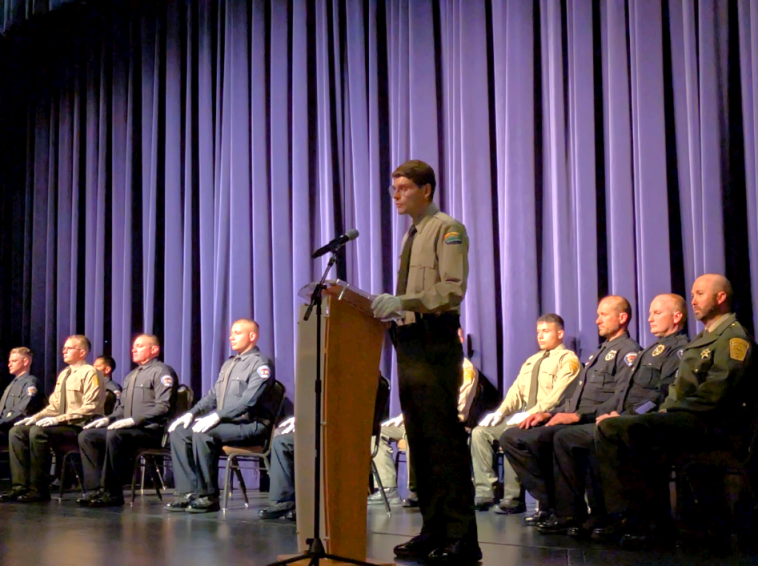
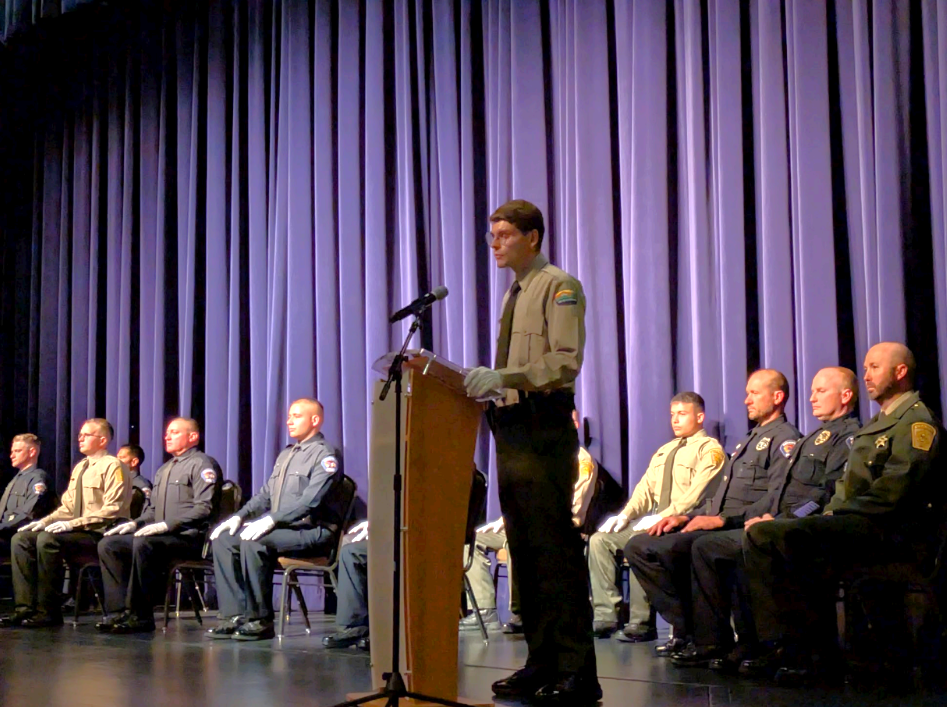
Ranger Hurst’s achievement in graduating as valedictorian from the San Juan County Criminal Justice Training Authority-Basic Police Academy, and his outstanding performance on June 13 in Farmington, serves as a beacon of excellence in an area that many still see as intimidating or off-putting. His success is a strong indicator of the meticulous training and dedication required for those who work to protect our treasured outdoor spaces.
Trailblazing Career of Ranger Oran Hurst
Ranger Hurst’s journey is not just a personal milestone but an empowering example of what it means to commit to public service. Achieving the top academic score and delivering the valedictory address at his academy graduation, Hurst demonstrated that passion and hard work can overcome even the most nerve-racking challenges. His story helps energize future applicants by showing that excellence is within reach for anyone prepared to face the tricky parts of a rigorous training program.
His career move is significant for those who aim to blend a love for the outdoors with the responsibility of public safety. By stepping into this role, Hurst joins a long-standing tradition of park rangers who not only keep visitors safe but also work to protect wildlife, preserve cultural sites, and support educational outreach. In a state well known for its rugged terrains and unique ecosystems, his example shines a light on the super important role that well-trained professionals play.
Steering Through the Tricky Bits of Outdoor Law Enforcement
Taking the wheel as a park ranger requires more than just a love for nature—it requires the ability to make your way through a multitude of challenges that are sometimes full of problems and tricky parts. Many find the prospect of law enforcement in a natural setting to be overwhelming. However, experiences like Ranger Hurst’s illustrate that with perseverance and robust training, even the most confusing bits of the field become manageable.
The training Ranger Hurst underwent involved working through various scenarios, ensuring he could effectively respond to everything from wildlife emergencies to visitor safety incidents. His comprehensive preparation will serve him well as he gets into working through the little details that often define success in a role so deeply interwoven with both public service and environmental stewardship.
Enhancing New Mexico’s Outdoor Heritage Through Public Service
New Mexico’s state parks are treasured not only for their scenic vistas but also for their historical and cultural significance. From ancient ruins to modern-day recreations, these parks are a living archive of the regions’ natural and human history. In the words of State Parks Division Director Toby Velásquez, these parks are among the most beautiful and diverse in the nation. In welcoming dedicated professionals like Ranger Hurst, the state is reinforcing its commitment to preserving this heritage for future generations.
For those who work in a field that could be described as loaded with issues, every day brings fresh challenges—from making your way through complicated pieces of park regulation to ensuring that public safety is never compromised. Ranger Hurst embodies the spirit needed to face these twists and turns head-on. More importantly, his story serves to encourage others who might be considering a similar path, reassuring them that while the journey may have its nerve-racking moments, the rewards are plentiful.
Career Opportunities in State Park Enforcement and Conservation
The New Mexico State Parks Division now manages a diverse network of 35 state parks spread over 23 counties. Each park provides a unique opportunity to experience the state’s natural environment while participating in critical conservation and public safety operations. For many, the idea of a career that involves getting into the fine points of law enforcement in such an environment might sound intimidating at first. However, the tangible impact that park rangers have on their communities often outweighs these initial reservations.
Below are some of the key reasons why pursuing a career in park law enforcement in New Mexico might be an ideal choice:
- Direct Impact on Community Safety: Park rangers play a super important role in keeping visitors safe by responding to emergencies, ensuring that park rules are followed, and providing assistance during natural incidents.
- Preservation of Natural Beauty: These professionals are on the front lines of protecting the state’s diverse ecosystems, making sure that wildlife and historical landmarks remain intact.
- Cultural and Historical Conservation: With many parks housing cultural sites and historical landmarks, park rangers also help preserve the rich heritage that defines New Mexico.
- Rewarding Outdoor Lifestyle: The job allows individuals to enjoy the outdoors every day while serving and protecting it, blending passion with profession.
- Professional Growth Opportunities: With a range of positions available across the state parks system, interested candidates can choose roles tailored to their skills and ambitions.
For anyone passionate about protecting natural and cultural treasures while making a direct impact on society, joining New Mexico State Parks offers a path that is both challenging and fulfilling. The recruitment drive is an invitation to contribute to a legacy that balances recreational enjoyment with serious conservation efforts.
Ensuring Public Safety Amid Nature’s Beauty
A central focus of state park operations is ensuring the safety of everyone who visits. The work of park rangers extends far beyond merely patrolling for rule-breakers; it encompasses a comprehensive commitment to public safety in areas that are sometimes as unpredictable as they are beautiful. From dealing with unexpected wildlife encounters to managing visitor emergencies, the role of a park ranger is dynamic and multifaceted.
The responsibilities include not only performing routine checks and enforcing park regulations but also engaging in active communication with park visitors. It matters greatly that those exploring these natural areas understand the importance of following safety guidelines. This mutual trust between the public and those in charge is what helps create secure, welcoming environments in every park.
Ranger Hurst’s impressive academic background and leadership skills are essential assets that will help him figure a path through potentially nerve-racking situations. His thorough training equips him to handle the small distinctions in various incidents, ensuring that whether it’s a minor visitor dispute or a more significant emergency, the response is measured, effective, and compassionate.
Protecting Wildlife and Preserving Historic Sites
One of the fascinating aspects of working in state park law enforcement is the responsibility to protect wildlife and preserve historic sites. New Mexico’s parks are home to unique flora and fauna, many species of which have adapted over time to survive in challenging conditions. The role of a park ranger is pivotal in maintaining the delicate balance between human recreation and wildlife conservation.
This position requires a keen understanding of the hidden complexities that come into play when human activity intersects with nature’s order. For example, carefully planning park maintenance, safeguarding animal habitats, and preserving artifacts from decades past are tasks that demand vigilance and sensitivity. Ranger Hurst’s background demonstrates that he is well prepared to manage these tasks while also addressing the practical, everyday needs of park visitors.
A successful conservation strategy often involves collaborating with community groups, environmental experts, and local historians, ensuring that every decision reflects an informed understanding of small distinctions within park ecosystems. Through outreach and educational programs, park rangers help the public appreciate the little details that make each site special, fostering a greater sense of stewardship among visitors.
Community Impact and Cultural Legacy
The influence of state parks extends far beyond their geographical boundaries. They serve as communal hubs where the residents of New Mexico can reconnect with nature, learn about their rich history, and find solace away from the distractions of modern urban life. By protecting these spaces, park rangers directly contribute to a cultural legacy that strengthens community bonds.
This cultural preservation is evident in the work done by ranger teams across the state. Their role in maintaining historical sites and monuments is crucial for ensuring that future generations can effortlessly dig into a past that is full of stories and valuable lessons. At a time when many regions face tangible challenges related to heritage preservation, the exemplary work of park rangers like Hurst is indispensable.
Public sentiment towards the state parks division tends to be overwhelmingly positive. Many locals express their appreciation for the dedicated crews who work tirelessly to safeguard not only the environment but also the intangible spirit of New Mexico. The pride that community members feel when they see a well-preserved park or a well-maintained historical site cannot be overstated—it reflects the deep societal respect for people who work behind the scenes to make these places safe and accessible.
Navigating Administrative and Operational Twists and Turns
Running a state park system is not without its challenging bits. Administrative hurdles, ever-changing regulations, and unforeseen challenges from natural occurrences all come together to create a scenario that is as complicated as it is rewarding. It requires park rangers and their supervisors to find their way through a host of tricky parts on a daily basis.
The process of working through these issues involves a mix of proactive planning and reactive measures. For instance, maintaining state parks sometimes calls for emergency repairs after a storm or revisiting outdated policies to meet current standards. Such tasks demand not only physical effort on the part of the teams but also a flexible mindset that can steer through twists and turns with efficiency.
Ranger Hurst’s strong leadership qualities and his solid academic foundation prepare him well to tackle these administrative challenges. His readiness to get into the subtle parts of governmental regulations and operational procedures reflects the state’s commitment to evolving in response to both natural changes and the expectations of a diverse public.
The Broader Impact of a Committed Park Ranger Team
When a state invests in bringing on board highly skilled individuals like Ranger Hurst, the ripple effects can be seen in multiple facets of community life. A well-organized park ranger team not only elevates the standard of public safety but also enriches the tourism industry by ensuring that visitors have a secure and engaging experience.
Tourism in New Mexico is heavily dependent on the state parks, which offer an insight into the state’s diverse geography and rich cultural tapestry. From serene lakes to rugged mountain trails, each park is a testament to the state’s natural advantages. Therefore, the impact of an effective, well-trained park ranger team reaches far beyond simply enforcing rules—it helps nurture an environment where public trust can flourish.
A community that sees its local parks well maintained is one that feels a strong sense of pride. In turn, this pride encourages more residents and visitors alike to engage in conservation efforts, volunteer for community clean-ups, and even pursue careers that further the cause of public service and environmental stewardship.
Opportunities for Job Seekers Passionate About the Outdoors
The current recruitment drive within the New Mexico State Parks system reflects an important trend—more and more individuals are looking up to careers that allow them to work amid nature while serving the community. The availability of multiple positions in state parks creates a great opportunity for those who want to blend a passion for outdoor recreation with a career that makes a lasting impact.
For many, the decision to work in a park setting can come across as a bit overwhelming at first. However, the state offers extensive training programs that address both the practical and delicate aspects of park management. New hires quickly learn how to manage your way through challenging bits, from dealing with emergencies to preserving cultural sites and wildlife habitats.
For job seekers interested in joining this field, here are some key benefits that make the opportunity especially appealing:
- Comprehensive Training Programs: New recruits benefit from programs that prepare them for both the routine operations and the unexpected incidents that can arise in a park environment.
- Work-Life Balance: Working in state parks often allows individuals to enjoy scenic outdoor work environments, which can provide a refreshing change from the confines of a traditional office.
- Community Engagement: The role offers ample opportunities to interact with locals and visitors, making every task an exercise in community building.
- Career Growth: With positions available across 23 counties, there is room for professional advancement and specialization in various aspects of law enforcement and conservation.
- Satisfaction in Public Service: There is a unique sense of fulfillment that comes from protecting natural and cultural resources while ensuring safety.
Candidates interested in contributing to the enduring legacy of New Mexico’s outdoor heritage are encouraged to visit the state parks website for further details on job requirements and application procedures. This act of joining the public service workforce not only provides personal rewards but also contributes significantly to the community and the state’s legacy.
The Role of Education and Outreach in Park Conservation
Another essential aspect of the park rangers’ work is education. Beyond the immediate enforcement of park regulations or emergency responses, state park rangers play an influential role in raising public awareness. By organizing tours, hosting workshops, and engaging with students and community groups, they help get into the fine shades of understanding that our unique environment warrants.
Educational outreach can be the bridge that connects local communities with the natural world around them. When visitors learn about the history of a park, the importance of its wildlife, or the care needed to preserve historical landmarks, they are more likely to take responsibility for these treasures. This spill-over effect helps foster a community that is not only appreciative of its surroundings but also proactive in protecting them.
One cannot overstate the importance of such outreach efforts in a state as geographically and culturally diverse as New Mexico. With each park serving as a living classroom, the work of rangers like Hurst becomes key to ensuring that both new and returning visitors are well versed in the small distinctions and subtle details that define the parks. Through education, park rangers create a legacy of informed and engaged citizens who can steer through future challenges with confidence.
Challenges and Rewards: A Glimpse into the Daily Duties
Ranger Hurst’s journey highlights the balance between the challenges and rewards inherent in state park work. On a day-to-day basis, park rangers encounter numerous tricky parts—from the tangled issues of managing visitor behavior to the overwhelming tasks of maintaining large natural areas under evolving regulations. Each day brings its share of surprises, and the ability to figure a path through these unpredictable moments is what defines a successful park ranger.
Typical duties in the field include:
- Emergency Response: Whether it’s an unexpected injury on a trail or a wildlife disturbance, rangers respond quickly to ensure all visitors are safe.
- Patrolling and Monitoring: Continuous patrols help maintain order within the park, ensuring that rules are adhered to and that no one is put in jeopardy.
- Community Interaction: Rangers regularly interact with hikers, campers, and tourists, offering guidance and information about the park’s natural and historical charms.
- Maintenance and Conservation: Regular upkeep of trails, facilities, and historical sites is essential for maintaining the high standard and appeal of the parks.
- Public Education and Outreach: Hosting events and educational sessions, rangers help visitors appreciate the little twists and subtle parts of New Mexico’s natural history.
Each of these responsibilities, no matter how mundane they may appear at first glance, requires dedication, expertise, and an unyielding commitment to the state’s culture and environment. The ability to manage your way through such a multi-faceted role, balancing administrative tasks with hands-on public service, speaks volumes about the caliber of professionals New Mexico is proud to hire.
A Vision for the Future of State Parks
Looking ahead, the expansion of the state park team reflects a larger vision for the future. As our natural landscapes face evolving challenges—from climate change to the increasing demand for outdoor recreation—state park rangers are positioned as the primary custodians of our environmental and cultural resources. With visionaries like Ranger Hurst on board, New Mexico State Parks are poised to meet these challenges with well-trained, passionate personnel.
The future holds exciting possibilities. Increased partnerships with local communities, more dynamic educational programs, and improved facilities mean that the parks will not only remain safe and accessible but also transform into hubs for learning and community engagement. As these efforts continue to grow, the role of each park ranger will undoubtedly expand, driving a movement that balances conservation with recreation.
Community Reflections on Protecting an Outdoor Legacy
The heart of New Mexico’s outdoor charm lies in its community’s deep connection with the land. Across all counties where state parks are located, residents have a vested interest in ensuring that their natural spaces are preserved. Many locals express admiration for the park rangers’ tireless efforts, recognizing that the work they do has repercussions well beyond the park boundaries. This communal spirit of shared responsibility is key to fostering a lasting legacy.
Multiple community members have remarked on how important it is for state parks to operate at high standards. The personal interactions with park rangers—whether during a routine visit or an educational outreach program—help instill a sense of pride and respect for the environment. As more people get involved, either through volunteer work or by pursuing a career in park service, they contribute to creating an environment that is both secure and welcoming for everyone.
The Importance of Building a Resilient Public Service Workforce
The journey to building a resilient and effective workforce within the context of state parks involves rethinking how we approach public service. It is a challenge filled with its own twists and turns—a balancing act between enforcing the law, maintaining order, and nurturing the delicate ecosystems that define New Mexico. Every new hire, like Ranger Hurst, represents a commitment to this vision, reinforcing the idea that protecting our natural spaces is a super important duty that benefits the entire community.
One of the most critical aspects of this mission is ensuring that the training programs for new park rangers remain up-to-date with the latest safety protocols and environmental best practices. With continuous education and hands-on experience, these professionals are well-equipped to get around the nerve-wracking aspects of the job, transitioning smoothly from routine checks to emergency scenarios. As state government and local communities work together to provide the necessary resources, the quality of service in our parks is only bound to improve.
Toward a More Inclusive Future in Park Conservation
Inclusivity in environmental management is a theme that resonates deeply with the values reflected in the operations of New Mexico State Parks. Those seeking a career in this line of work often bring diverse backgrounds and unique perspectives, which further enrich the development of effective conservation strategies. The parks, managed under the guidance of a forward-thinking leadership team, have embraced the idea that protecting these outdoor havens is a collective responsibility.
By creating opportunities for individuals from all walks of life to join the ranks of park rangers, New Mexico is reinforcing an essential message: conservation is a community effort. Programs targeted at young people, women, and underrepresented communities aim to make careers in park enforcement and conservation more accessible to everyone. As these initiatives progress, the cultural and social dynamics of the workforce are set to become even more enriched by the varied experiences and ideas each newcomer brings.
Conclusion: A Path Forward for New Mexico’s Outdoor Heritage
In summary, the appointment of Ranger Oran Hurst to Navajo Lake State Park is more than just an individual success—it is a milestone for New Mexico State Parks and the broader local community. It sends a strong message that rigorous preparation, passion, and a commitment to public service are the cornerstones of preserving our outdoor legacy. As more opportunities in park enforcement and conservation become available, the invitation to join this cause is extended far and wide.
From enhancing public safety on natural grounds to educating citizens about the subtle details that make our landscapes unique, the roles undertaken by park rangers are both challenging and immensely rewarding. The combination of hands-on duty, community engagement, and the responsibility of managing both natural and cultural resources requires a workforce that is agile, informed, and genuinely dedicated.
In navigating through the tricky parts and tangled issues inherent in such roles, professionals like Ranger Hurst are not only ensuring that every park visitor experiences New Mexico’s special charm, but they are also cementing the future of the state’s recreational and natural heritage. Their tireless efforts help create a legacy built on safety, conservation, and community well-being—a legacy that stands as a testament to the ongoing commitment to protecting nature for generations to come.
Looking ahead, the voice of community and the call for enhanced public safety and conservation remain strong. The future of New Mexico’s state parks looks bright—powered by opportunities for passionate individuals, fortified by a shared commitment to preserve both natural beauty and historical significance, and guided by the dedication of professionals who are willing to manage their way through even the most overwhelming challenges.
As we witness the unfolding of this exciting chapter, it is inspiring to know that every success, every well-handled twist and turn in the field, and every thoughtful outreach program contributes to a broader narrative. This narrative is one of resilience, hope, and a deep-rooted commitment to protecting the places we cherish. For those wondering if a career in park conservation and law enforcement is right for them, let the story of Ranger Hurst serve as both an example and a call to action—reminding us all that with dedication, hard work, and a love for the outdoors, we can all steer through the complex pieces of this noble endeavor.
In closing, the evolution of New Mexico State Parks is much more than routine administrative progress—it is a celebration of commitment, community, and the enduring beauty of nature. As we continue to support and celebrate the efforts of our park rangers, let us also embrace the opportunity to contribute to these cherished spaces, ensuring that they remain safe, accessible, and vibrant for many years to come.
Originally Post From https://ladailypost.com/state-parks-welcomes-new-ranger-to-navajo-lake-state-park/
Read more about this topic at
2024 Park Ranger of the Year Award
Henry Gonzalez Receives Park Ranger of the Year Award