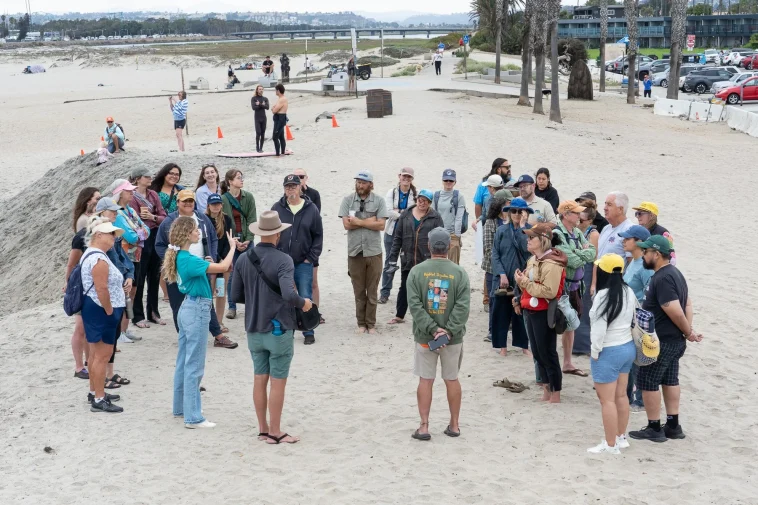

Reflections on California’s 30×30 Summit Field Tour at Ocean Beach
The recent field tour at Ocean Beach during California’s 30×30 Summit left an indelible mark on me. It was an experience layered with community momentum, environmental determination, and a shared resolve to protect our state’s natural treasures. As someone who has long followed outdoor conservation, I found the event to be not only instructive but also deeply hopeful. The tour offered us a vivid glimpse into how local initiatives and state efforts can work together, even when there are tricky parts and tangled issues to resolve. Today, I want to share my perspective on this dynamic meeting point of conservation and recreation, and why such events are super important when it comes to steering through California’s environmental challenges.
From Ocean Beach to a Broader Conservation Future
During the summer event held in San Diego—a place celebrated for its dramatic deserts, rugged mountains, and popular Pacific coastline—we had the chance to see firsthand the intricate collaboration between government agencies, community organizations, and local stakeholders. The field tour was not just a routine walk along the coast; it was a rallying cry for those of us who believe in preserving the natural legacy for future generations. More than just a report, it served as an opinion editorial on how our collective effort can address the complicated pieces that have long plagued coastal communities.
Exploring the Coastal Resilience Master Plan
One of the standout aspects of the field tour was the discussion around the City of San Diego’s DRAFT Coastal Resilience Master Plan. During our tour, representatives from various city offices took a closer look at this plan which proposes nature-based solutions to combat sea level rise while restoring critical wildlife habitat and ensuring all citizens have access to natural spaces. For many in the community, the plan is a super important step toward mitigating the impacts of climate change.
At times, these solutions may seem overwhelming or even off-putting to those who fear the unknown twists and turns in environmental policy. However, the discussions highlighted that by engaging with the fine points of such initiatives, we can make sense of even the most intimidating proposals. The insights provided by the City officials and the enthusiastic inputs from community members not only clarified the small distinctions within the plan but also gave us hope for a better, more resilient coastal future.
Community Empowerment Through Collaborative Partnerships
What makes the Ocean Beach Field Tour truly inspiring is the robust community involvement that defined its success. As I walked the beach with local stakeholders, including representatives from the California Natural Resources Agency, California State Parks, and regional political offices, I felt a renewed spirit of local engagement. Such community outreach is a must-have for any conservation effort because it grounds broad policy discussions in real-world challenges and local knowledge.
Key partners in the event included the Surfrider Foundation San Diego, the San Diego Bird Alliance, and the San Diego River Parks Foundation. Their input and support were super important not only to the event’s success, but also in reinforcing the idea that long-term resilience hinges on community participation. It is a reminder that the best policies are those that are informed by the people who live alongside these precious natural resources.
Local Engagement and the Impact on Policy Making
At the core of this event was the idea that local voices have an essential role in shaping policy. As we walked along Ocean Beach, the participation of Congressman Scott Peters’ office and the insights from the California 30×30 Partnership Committee demonstrated that policy shaping is not just for the experts in high-rise buildings, but is a community affair. It’s through these partnerships that ideas transform into actionable plans that address the tricky parts of conservation initiatives.
Several speakers emphasized that while government agencies and city planners have the professional expertise, local residents bring an invaluable perspective on the fine shades of everyday environmental issues. In my opinion, this two-way dialogue is exactly what we need as we work through the nerve-racking layers of sea level rise, habitat loss, and public land management.
Key Lessons from the Ocean Beach Field Tour
The field tour not only presented real-time insights about coastal resilience and adaptation but also shared key lessons that we, as a nation of outdoor enthusiasts and conservation advocates, must take to heart. The following points encapsulate these lessons:
- Community Collaboration: The importance of community involvement in ensuring long-term sustainability.
- Innovative Policy Solutions: Implementing and testing nature-based solutions to confront environmental changes.
- Public and Government Partnerships: The role of mutual engagement between local communities and policymakers in shaping actionable strategies.
- Local Ownership: Emphasizing the significance of local engagement in making plans work, from planning to execution.
- Adaptability: The need to adjust to evolving conditions along our coastlines, especially as we deal with the small distinctions among natural processes.
Implementation Challenges in Coastal Conservation
While the field tour communicated an optimistic outlook on California’s environmental future, it also highlighted the nerve-racking challenges we are up against. Coastal conservation is full of problems, ranging from political gridlocks to budget constraints and even public misperceptions. More often than not, these issues appear overwhelming. Yet, the tour underscored that by finding your way through these tangled issues, the best outcomes are achieved when you combine scientific research with on-the-ground experiences.
Let’s break down some of the confusing bits that were discussed during the event:
| Challenge | Description | Approach to Mitigate |
|---|---|---|
| Sea Level Rise | The gradual increase in sea levels affecting coastal ecosystems | Development of nature-based infrastructure and coastal resilience plans |
| Habitat Loss | Declining natural habitats due to urbanization and climate change | Community engagement and restoration projects to rebuild native ecosystems |
| Public Awareness | Lack of understanding among the general public about environmental challenges | Organizing field tours, public comments, and interactive sessions with experts |
An Opinion on the Power of Local Stewardship
Taking a closer look at Ocean Beach, I was struck by how the event reiterated the super important role local stewardship plays in environmental management. Coastal communities like Ocean Beach are on the front lines where the natural environment meets urban life. With sandy beaches that are slowly shifting due to climate change, it is a race against time to figure a path that balances human use with nature conservation.
Field tours like these work to remind us that the journey to long-term resilience is one that must be shared by all. The message was clear: by uniting in community and sharing the responsibility of preserving what we have, we can push back the tide—both literally and figuratively—that threatens our public lands and coastal ecosystems.
Essential Aspects of Community-Led Coastal Protection
During this engagement with various local agencies and community organizations, several essential aspects emerged that I believe are key to successful conservation strategies:
- Transparency in Decision-Making: Open channels of communication are super important to build trust and ensure that everyone is on the same page.
- Shared Vision: The collaborative efforts emphasize a shared vision of protecting our natural resources. This unified approach is a must-have when addressing the small distinctions between differing environmental needs.
- Accessibility: Ensuring that coastal resilience plans are accessible, understandable, and inclusive is critical for broader community support.
- Public Involvement: Active public participation, be it through field tours, community outreach, or surveys, helps to ground theoretical initiatives in real-life contexts.
- Adaptive Policies: The need for policies that can steer through unexpected challenges highlights the importance of flexibility and resourcefulness.
By drawing on these points, the field tour enhanced my unwavering faith that local initiatives, when backed by both policy and community action, can overcome even the most intimidating hurdles.
Learning from the Field: California 30×30 Summit Insights
The California 30×30 initiative is a state-wide commitment aimed at protecting 30 percent of California’s lands and waters by 2030. This ambitious goal is central to ensuring that our ecosystems continue to thrive despite the challenges posed by climate change and rapid urbanization. From my perspective, the field tour during the summit served as a dynamic platform to get into these ambitious plans and assess their practical implications.
As participants took a walk along Ocean Beach, it became evident that such ambitious initiatives are not merely about hitting numerical targets. Instead, the broader aim is to secure recreational spaces that nurture both ecological and community well-being. I feel that these initiatives are more than just policy jargon; they represent an earnest call for preserving our heritage by taking immediate action, even when it means dealing with the nerve-racking twists and turns of nature-based planning.
The involvement of key players such as the California Natural Resources Agency and the California 30×30 Partnership Committee provided an invaluable opportunity to see how local engagement can shape and refine these grand initiatives. Their role is to make the sometimes overwhelming aspects of these projects less intimidating by transforming them into manageable, community-driven tasks.
Projecting Future Impacts and Community Benefits
One of my biggest takeaways from the Ocean Beach Field Tour is the sheer scale of positive change that can be achieved when local agencies and communities join hands. Projects like the Coastal Resilience Master Plan are engineered not just to protect nature, but also to ensure that public-use infrastructure continues to support our lifestyles and natural recreation. For coastal communities, where the balance between human enjoyment and environmental responsibility can be delicate, these projects are a reminder that planning ahead—even when the process is off-putting or seemingly intimidating—is integral to survival.
This approach has several projected future benefits, including:
- Enhanced Biodiversity: Restoring natural coastal habitats contributes to increased biodiversity which, in turn, supports the overall health of the ecosystem.
- Long-Term Resilience: Strengthening coastal systems and public infrastructure to withstand the effects of sea level rise and extreme weather events.
- Improved Public Access: Creating nature-based solutions that ensure sustainable access to public lands for recreation.
- Economic Benefits: Boosting local economies through increased tourism and related community engagement while maintaining environmental integrity.
Policy Perspectives and the Role of Environmental Advocacy
As I reflect on the discussions held during the field tour, it is clear that environmental advocacy is more than a fleeting trend—it is an ongoing commitment. The combined efforts by the Outdoor Alliance California, along with various governmental and non-governmental partners, resonate strongly with anyone who cares about preserving pristine landscapes and protecting public lands from creeping urban sprawl.
The policy discussions at the summit and field tour were loaded with tension at times as representatives discussed the small distinctions between different conservation strategies. Nevertheless, it was these very debates that underscored the importance of productive dialogue in a state that is navigating the complicated pieces of modernization, environmental protection, and community well-being. Such discourse is essential, as it allows us to take a closer look at the real-life impacts these policies will have on communities and natural ecosystems alike.
Why Public Comments and Regional Collaboration Matter
Among the highlights of the summit was the active participation of a diverse group of stakeholders—from the corridors of local government to community members attending the public walking tour. It struck me as both refreshing and empowering to see how public comments and regional working groups feed directly into shaping the environmental agenda. This level of engagement not only unites like-minded individuals but also injects a sense of urgency into otherwise slow-moving bureaucratic processes.
Participants voiced that by actively contributing to regional conversations, they were more than just passive bystanders in the decision-making process. They were, in essence, partners in a shared vision. More importantly, it was evident that while these conversations often involve navigating through overwhelming twists and turns, the collaborative effort was a powerful means to cut through the confusing bits and solidify a path forward.
Outdoor Recreation and the Future of Public Lands in California
California’s vast and vibrant landscape is a tapestry of diverse ecosystems—from arid deserts to lusciously green forests and scenic coastal areas. In such a setting, outdoor recreation is not just about leisure but also about an inherent responsibility to protect the environments that enable these activities. The 30×30 initiative recognizes that protected lands are a critical resource for ensuring that our outdoor adventures continue for generations to come.
The field tour at Ocean Beach was an embodiment of this vision. While the event itself was primarily a tour, it was also an opportunity for outdoor enthusiasts and conservation advocates to come together and share experiences, insights, and strategies for protecting treasured lands. In times when public lands are more loaded with issues than ever before, coming together, sharing opinions, and brainstorming practical solutions represents a key solution for maintaining the delicate balance between recreation and conservation.
On a personal note, I have long believed that when we engage with nature in all its subtle parts, it teaches us highly important lessons about resilience, balance, and respect—for both the environment and each other. The tour reminded me that the future of public lands relies heavily on the participation of everyday citizens who care deeply about finding their path amidst the complicated pieces of environmental governance.
Striking a Balance Between Recreation and Conservation
One of the persistent challenges in managing public lands is striking a balance between providing ample opportunities for outdoor recreation and ensuring that nature is preserved for future prosperity. Too often, the public finds themselves caught between the pull of natural beauty and the burden of conservation policies that might seem overwhelming at first glance.
What the Ocean Beach event demonstrated was that finding this balance is possible through community engagement and a genuine commitment to working through the twisted parts of policy implementation. Conservation does not have to mean restricting access or limiting an individual’s ability to enjoy the outdoors; rather, it can mean planning ahead to ensure that future generations enjoy the same pristine landscapes we have today.
Key strategies that emerged during the tour include:
- Inclusive Policy Development: Ensuring that community voices are heard at each stage of planning and decision-making.
- Sustainable Infrastructure: Investing in nature-based projects that support both vibrant coastal habitats and recreational needs.
- Ongoing Public Education: Raising awareness about the need for conservation through community events, workshops, and field tours.
- Long-Term Stewardship: Fostering a sense of local ownership over conservation projects, so that protection measures are not just implemented but maintained over time.
Bridging the Gap: How Local Initiatives Influence State Policy
It is often challenging to connect local action with statewide policy debates. Yet, the 30×30 Summit Field Tour provided a clear example of how local initiatives can quickly scale up to influence broader policy decisions. As I observed representatives from the California Natural Resources Agency working alongside local community organizers, I was reminded that every conversation, every shared experience, and every public comment has the potential to shape an entire state’s approach to conservation.
This bridging of the local and state divides is super important because it transforms otherwise intimidating state mandates into achievable, community-driven projects. By working collaboratively on matters that many might consider off-putting due to the intricate tangled issues they present, the event showcased how a shared vision can cut through administrative red tape and lead to meaningful change.
In the spirit of this collaboration, here are a few takeaways that illustrate the benefits of connecting local initiatives with broader policy frameworks:
- Direct Feedback Loops: Field tours and public events create opportunities for immediate feedback, helping policymakers adjust plans in real time.
- Empowered Communities: When local efforts are recognized at the state level, it reinforces citizens’ belief in their ability to influence decisions.
- Improved Accountability: Transparency in these processes ensures that state policies are continually refined through practical community insights.
- Scalable Solutions: Effective local projects can serve as models for broader statewide initiatives, demonstrating that when done right, conservation and recreation are not mutually exclusive.
Bringing Home the Message: A Call to Action
Standing on the shores of Ocean Beach, I found that the real charm of the 30×30 Summit Field Tour was its call to action. It wasn’t simply a passive excursion—it was an invitation to actively get involved in protecting and enhancing our natural spaces. From the inspiring words of local officials to the palpable excitement among community members, the event was a vibrant demonstration that change is possible when we are all in this together.
For those of us who treasure the great outdoors, it is essential to internalize this message: our natural world is both a playground and a responsibility. Even if the path ahead seems loaded with issues or filled with overwhelming twists and turns, engaging in our local communities, staying informed, and participating in public dialogues are invaluable ways to foster a more resilient future.
Looking Ahead: The Future of Outdoor Conservation in California
The insights gained from the summit and field tour have renewed my commitment to supporting efforts that secure our natural heritage. At a time when the challenges seem as tricky as ever—from confusing bits of regulatory processes to nerve-racking environmental forecasts—it is community-led efforts like these that set us on the correct course.
California’s ambition to achieve 30×30 is more than just a numerical target: it is a strategy for preserving the state’s diverse ecosystems and ensuring that public lands continue to be enjoyed by future generations. The Ocean Beach Field Tour was a testament to how small, locally spearheaded initiatives can ripple out and bring change on a statewide level.
I remain optimistic about the future, even when the going gets tough. There is a quiet strength in the focused energy of engaged citizens, the determined work of local agencies, and the relentless passion of conservation advocates. Together, these elements form a blueprint for environmental stewardship that is both practical and inspiring.
Practical Steps for Getting Involved
If you’re reading this and wondering how you can be part of this compelling journey, here are some tangible steps that can help you contribute to California’s conservation goals:
- Sign Up for Newsletters: Stay updated with the latest developments from local conservation groups such as Outdoor Alliance California and the Surfrider Foundation.
- Attend Local Events: Look for community meetings, field tours, and public consultations in your area. These gatherings are excellent opportunities to learn and voice your opinions.
- Support Local Partnerships: Engage with organizations that work directly on conservation policies and local outreach efforts. Their work is super important in translating complex state policies into actionable community projects.
- Advocate for Climate Resilience: Join advocacy groups and support campaigns that call for sustainable policies to protect public lands and coastal ecosystems.
- Share Your Experiences: Whether it’s through social media, community blogs, or local publications, sharing your personal stories can help build a robust narrative that encourages broader community action.
Conclusion: Uniting for a Resilient California
The Ocean Beach Field Tour, set against the backdrop of California’s 30×30 Summit, was more than just a field report—it was a portrait of hope, collaboration, and proactive conservation. The event underscored that while developing nature-based solutions may involve intimidating regulatory components and off-putting bureaucratic challenges, it is exactly this kind of community-backed initiative that lights the path forward.
For me, as an editor with a deep personal connection to California’s landscapes, the experience reaffirmed an old truth: that change is driven by the hands of those who are willing to get into the nitty-gritty details of local governance and environmental policy. In every conversation at Ocean Beach, every public comment, and every collaborative effort, there was a shared belief in a future where outdoor recreation and conservation not only coexist but thrive side by side.
So here’s my call to action: Join us in this journey. Whether you are a local resident, an outdoor enthusiast, or a policy advocate, your participation is key to building a resilient California. Let us all find our path—working together to make sense of the overwhelming parts of conservation, celebrating the exciting potential of innovative plans, and ensuring that the natural beauty of our public lands remains a cornerstone of identity for generations yet to come.
As we look ahead, it is clear that the fight to safeguard our natural resources is not just about fighting against problematic trends, but about actively creating a future where nature and community progress in concert. Let’s harness the momentum of events like the Ocean Beach Field Tour to fuel further progress, inspire broader public engagement, and ultimately, secure an inclusive, sustainable, and nature-connected future for all Californians.
In the dynamic environment of California’s policy and conservation arena, every small victory is a building block for a larger, transformative future. And as the community continues to come together—sharing ideas, taking bold actions, and supporting visionary plans—I believe that our coastal wonders, from the swells at Cardiff State Beach to the laid-back charm of Ocean Beach, will stand strong as beacons of our shared commitment to the land we all love.
Let’s continue to work through the tricky parts, embrace the occasional overwhelming challenges, and, above all, remain united as custodians of the natural world. The future of outdoor recreation and environmental conservation in California depends on it.
Originally Post From https://www.outdooralliance.org/blog/2025/10/29/trip-report-californias-30×30-summit-field-tour-at-ocean-beach
Read more about this topic at
CCA North Carolina
Coastal Conservation Association: Join CCA