
An Insider Look at the Black River Sturgeon Hatchery Experience
The recent news about the Black River sturgeon hatchery opening its doors for free tours on August 23 invites us to rethink what it means to truly connect with nature. As someone who has long enjoyed outdoor adventures and conservation efforts, I find this initiative both inspiring and a welcome reminder of the unity between our communities and Michigan’s natural heritage. The Michigan Department of Natural Resources (DNR), working with partners from Michigan State University, Tower-Kleber Limited Partnership, and Sturgeon for Tomorrow, has orchestrated an event that brings the public closer to understanding the delicate balance needed to sustain our local ecosystems.
This editorial aims to take a closer look at the event, provide context about its importance, and discuss the broader implications of sturgeon rehabilitation efforts. We’ll poke around through various facets of the initiative, from the educational value to the critical role of community involvement in conservation. In doing so, we will also explore the twisted paths of wildlife restoration, the tricky parts of managing natural habitats, and how personal engagement can make a difference.
Understanding the Purpose of the Hatchery Tour
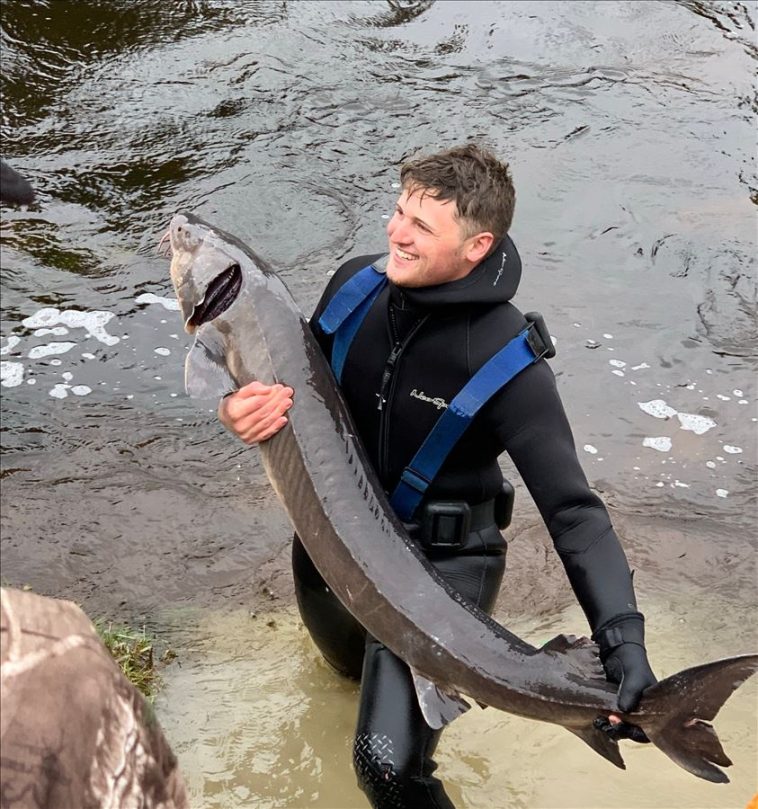
Lake sturgeon are one of Michigan’s most cherished native species. This free tour offers visitors a rare opportunity to witness 3-month-old lake sturgeon up close, learn about their early life history, and get a glimpse into the secret world of fish culture and conservation. The hatchery, strategically located in Cheboygan County near the Upper Black River and adjacent to the Kleber Dam, plays a pivotal role in the rehabilitation efforts within the Cheboygan River watershed.
By taking a closer look at the operations of the hatchery, participants are encouraged to think about the little details that make up this intricate process. From the early stages of feeding to the eventual release of sturgeon fingerlings into the Black River and Mullett Lake, each phase is a testament to years of research and practical application. The collaboration between research teams and conservation experts takes on a community-driven approach, helping residents understand that this work is a shared responsibility.
Event Highlights and Educational Aspects
During the tour, visitors will experience several engaging highlights such as:
- Observing 3-month-old sturgeon in a controlled space that simulates their natural habitat.
- Listening to on-site experts from the DNR and Michigan State University discuss the biology, life stages, and current research on lake sturgeon.
- Interacting with representatives from Sturgeon for Tomorrow, who explain restoration efforts and share success stories regarding sturgeon spawning habitat improvements.
These elements make it clear that the event is not just a casual look-see; it is an educational initiative that clarifies the twisted issues behind wildlife rehabilitation practices. The knowledgeable speakers are on hand to simplify the complicated pieces and to break down the conversation into more digestible bits, offering a narrative that is both informative and accessible.
Community Involvement and Its Essential Role in Conservation
One of the key takeaways from this initiative is the emphasis on community engagement. Conservation is not a solitary pursuit but rather a collective journey that requires dedication, curiosity, and cooperation. During the tour, local residents are encouraged to figure a path for how they can play a role in preserving the sturgeon population—a species that has seen better days in the past but now has a fighting chance thanks to modern conservation practices.
Local involvement is essential. Not only does it educate the public about the little details of sturgeon life history, but it also underscores the importance of supporting initiatives that are evolving. Interestingly, events like these offer a live demonstration of how collaborative efforts between government bodies, academic institutions, and private partners can produce tangible results. The tour serves as a reminder that restoring nature is not off-putting or intimidating, but rather a series of manageable steps that community members can actively participate in.
Taking the Wheel: How Volunteers Enhance Wildlife Preservation
Volunteer opportunities and community-driven initiatives create a powerful synergy for conservation. The hatchery tour is made possible by a mix of public funding and local partnerships, illustrating that volunteer work and community donations play a significant role in wildlife rehabilitation. Some key points that underscore the value of volunteering include:
- Providing additional manpower for research and maintenance at the hatchery.
- Raising public awareness about the state’s natural resources.
- Encouraging local schools and youth programs to participate, ensuring that future generations appreciate and protect our natural habitats.
By getting involved, community volunteers help demystify the process. They get a chance to see firsthand the impact of even small contributions—whether it’s through a few hours of labor or spreading the word about conservation programs. The event makes a strong case for how everyone, from local residents to passionate enthusiasts from afar, can lend a hand in restoring our waterways and ensuring the long-term survival of species like the lake sturgeon.
Charting the Path of Lake Sturgeon Rehabilitation
A closer examination of the various stages of the rehabilitation process reveals a series of well-managed steps designed to address the challenging aspects of wildlife restoration. The hatchery tour provides insights into the entire lifecycle of the lake sturgeon—from the early fingerling stage to eventual reintroduction into the ecosystem. Understanding this progression is key to appreciating how conservation efforts can reverse the decline of native fish populations.
Given the nerve-racking challenges inherent in conservation work, such as the unpredictable nature of ecosystems and the need for extensive research, the event demonstrates that careful planning and collaboration can overcome even the most tangled issues. It is impressive to see how professionals manage these tricky parts by employing detailed observation methods, consistent monitoring, and adaptive strategies based on ongoing research.
Research and Field Study: The Backbone of Hatchery Operations
One of the super important aspects of the hatchery is the research that supports its daily operations. Researchers from the DNR and Michigan State University are present at the tour to share insights and data related to lake sturgeon biology. Their work helps establish best practices for:
- Feeding regimes to ensure the healthy growth of sturgeon.
- Stocking methods that improve the survival rates of released fingerlings.
- Disease prevention and treatment protocols, adapted to both captive and wild environments.
- Understanding the subtle parts of the sturgeon’s environment to better mimic natural conditions in captivity.
Such efforts underscore how the research, though sometimes laden with tricky parts and subtle details, is critical for the long-term success of sturgeon rehabilitation programs. By nurturing a science-based approach, the hatchery not only produces healthy fingerlings but also contributes valuable data that feeds into broader conservation models.
Exploring the Practicalities of the Tour: Tips for Visitors
If you’re planning to attend the hatchery tour, there are some key practical details that can help you maximize your experience. First, it’s important to know where and when the event is taking place. The facility is located in Cheboygan County on the Upper Black River, approximately 2 miles west of Onaway along M-68. From there, Black River Road (F-05) north to Twin School Road leads you westward just over 3 miles to the hatchery site—nicely positioned on the north side of the road just before reaching the dam.
Practical considerations include timing your arrival so you can settle in before the guided tour begins at 10:30 a.m., and planning to stay until the final fingerling release later in the day. Here are some more tips to help you steer through your visit:
- Plan Ahead: Read up on the event’s schedule and directions beforehand.
- Dress Comfortably: Since you’ll be outdoors, wear weather-appropriate clothing and comfortable shoes.
- Bring Essentials: Don’t forget sunscreen, a hat, water, and maybe a camera to capture memorable moments.
- Ask Questions: Take advantage of the on-site experts by asking questions about the rearing process, research methods, and the history of lake sturgeon in the region.
- Engage Actively: Participate in discussions and volunteer opportunities if available, to feel more connected to the conservation efforts.
A handy table summarizing the event’s schedule might also prove useful:
| Time | Activity |
|---|---|
| 10:30 a.m. – 1:00 p.m. | Hatchery Tour and Educational Sessions |
| After 1:00 p.m. | Fingerling Release into the Black River and Mullett Lake |
These tips and the organized schedule help reduce any overwhelming feelings one might have about figuring out the plan for the day. They make it easier for even the most hesitant visitor to take a closer look at the conservation process with confidence.
Reflections on the Wider Impact of Sturgeon Restoration Efforts
The hatchery tour is a microcosm of what is possible when expertise, local commitment, and scientific research converge. The event highlights several big-picture themes that resonate with outdoor recreation communities and conservation advocates alike.
To put it simply, the restoration of the lake sturgeon through initiatives like these is not just about increasing a species’ population—it’s about fostering a healthier ecosystem. When we see the release of these fingerlings into the wild, we are witnessing a crucial step in the delicate dance of nature. The intricate, sometimes nerve-racking balance of our aquatic systems is maintained by meticulously managed projects that address both the visible and the subtle complexities of wildlife habitats.
Long-Term Ecosystem Benefits
Successful sturgeon rehabilitation means more than just an increase in numbers. It paves the way for several essential benefits that impact our environment and community, including:
- Improved water quality through enhanced biodiversity.
- Strengthening of food webs with balanced predator-prey relationships.
- Sustainable fishing opportunities that can benefit local economies.
- Increased public awareness about conservation, which can inspire further community actions.
- Enhanced resilience of local ecosystems against environmental changes.
Integrating these benefits, the hatchery tour serves as a critical educational platform. It provides attendees with a firsthand look at how restoration projects can help the environment adapt to changing conditions while also benefiting human communities. Rather than being overwhelming, the process is broken down into manageable parts, each offering its own set of insights into the natural world.
Understanding the Challenges and Rewards of Wildlife Conservation
Wildlife conservation, including the rehabilitation of species like the lake sturgeon, is full of challenges that often appear tangled. The path to effective conservation is lined with tricky parts, from the initial rearing of fish in a controlled environment to their eventual release in the wild. What might seem nerve-racking at first soon becomes a series of achievable steps when observed through the lens of science and community effort.
Some of the complicated pieces include:
- Managing Water Quality: Ensuring that the water conditions mimic those found in natural habitats.
- Controlling Disease: Implementing effective protocols to prevent outbreaks in captive populations.
- Feeding Regimes: Determining the best nutritional practices to support rapid healthy growth.
- Measuring Success: Evaluating the subtle parts of reintroduction efforts using long-term monitoring tools.
Each of these aspects is addressed by leading experts who teach us that even when complicated pieces of conservation are on edge, they can be managed with persistence, adaptation, and a willingness to learn from each small twist and turn.
Balancing Research with Real-World Application
For many, the world of fish stocking and hatchery operations might seem intimidating. However, the blend of academic insights and practical experience makes it far more approachable. Researchers work around the clock, diving deep into data and field studies, while on-the-ground conservationists translate these findings into actionable practices.
This balance is maintained through:
- Regular communication between research teams and hatchery staff.
- Collaborative planning sessions that allow for feedback from multiple stakeholders.
- Continuous adjustments based on monitoring outcomes, ensuring that every step is based on the latest available evidence.
Such measures help smooth out the nerves and simplify what might otherwise seem like a nerve-wracking, overwhelming task. Visitors learn that conservation isn’t about perfection but about steady progress and adaptation to the fine points of nature.
The Role of Government and Public Policy in Supporting Conservation
Public programs like the Black River sturgeon hatchery tour are a clear sign of how government initiatives can serve as a bridge between environmental policy and public participation. The Michigan DNR’s involvement demonstrates that governmental agencies can steer through bureaucratic challenges to create opportunities that engage local communities and contribute to broader ecological goals.
This initiative raises several key points regarding policy support and community benefits:
- It reinforces the idea that conservation funding—whether from federal dollars, state budgets, or private donations—is crucial to maintain these efforts.
- It highlights the need for consistent public outreach and education programs tailored to all age groups.
- It brings together various sectors (research, education, hands-on conservation) to form a cohesive strategy for managing natural resources.
- It encourages policymakers to consider long-term environmental sustainability over short-term gains.
Instead of being intimidating due to its bureaucratic nature, the public policy framework supporting these conservation projects is designed to be as accessible and transparent as possible, ensuring that community members can see the direct impact of their support on improving local ecosystems.
How Coordinated Efforts Translate to Sustainable Success
There is a lot to learn from the way the various bodies involved in the sturgeon rehabilitation initiative coordinate their efforts. The Michigan DNR, researching universities, and private partnerships all work together like a well-oiled machine. This kind of cooperation exemplifies how government policies, when executed with commitment and transparency, can have a positive influence on the environment.
The collaborative model involves:
- Shared Responsibility: Each partner brings its own expertise to the table, from research to on-the-ground operations.
- Resource Optimization: Funding, manpower, and technology are used efficiently to maximize conservation outcomes.
- Community Interaction: Public events, educational tours, and volunteer opportunities keep the local population informed and engaged.
- Open Communication: Regular updates and accessible information help demystify the rearing and release processes.
This model reassures citizens that the government is actively working to safeguard natural resources and that these conservation programs are not isolated government projects but community-driven initiatives with real-world impacts.
Future Implications and Vision for Conservation in Michigan
Looking ahead, the success of the Black River sturgeon hatchery tour and related projects could serve as a benchmark for similar conservation efforts across Michigan and beyond. As restoration projects expand and the body of research grows, the focus increasingly shifts to how we can maintain a healthy balance between human activities and natural processes.
Long-term vision and continued support for these projects are super important. The progress seen through initiatives like the hatchery tour demonstrates that wildlife conservation is not a static goal but a dynamic process that evolves with new research and community input.
Embracing Adaptive Management Strategies
Adaptive management means continually adjusting practices based on observations, feedback, and evolving conditions. In the context of sturgeon conservation, it covers aspects such as:
- Implementing new feeding techniques as research reveals better methods.
- Adjusting water quality parameters to meet the changing needs of developing fish.
- Modifying stocking practices based on survival rates and ecological feedback.
- Updating volunteer training programs to incorporate the latest research findings.
This approach ensures that the conservation efforts remain relevant and effective, even as environmental conditions shift. It highlights the point that achieving balance in nature involves working through unexpected twists and turns and that flexibility is an essential ingredient for long-term success.
Paving the Way for Broader Environmental Engagement
The implications of these conservation efforts extend beyond just the lake sturgeon. A successful restoration program paves the way for a broader public appreciation of the natural world. It demonstrates that whether you are a local resident, an avid angler, or someone who simply enjoys an afternoon outdoors, there is a role to play in maintaining the health of our ecosystems.
By showcasing the success of a collaborative restoration effort, the Black River sturgeon program sends a clear message: when communities, government entities, and research institutions come together, even the nerve-racking challenges of wildlife conservation can be surmounted.
Reflections on the Emotional and Social Impact of the Initiative
There is an undeniable emotional component to events like these. For many, seeing the release of sturgeon fingerlings into the wild is a profoundly moving experience. It is a tangible symbol of hope, renewal, and the timeless bond between nature and humanity. The event taps into our innate desire to be part of something larger than ourselves, reinforcing that we are all custodians of the environment.
This emotional undercurrent does not rely on complicated scientific jargon but rather on the everyday language of community, care, and responsibility. Witnessing these tiny creatures take their first steps into a vast and unpredictable world stirs up feelings of empathy, wonder, and a commitment to protecting our natural heritage.
Building Community Spirit Through Outdoor Adventures
Outdoor activities have long been a means for people to connect with one another, share experiences, and foster a sense of belonging. This event is no exception. It offers local families, outdoor enthusiasts, and even first-time visitors a chance to engage with nature in a direct, hands-on manner. Such experiences not only enrich the mind but also strengthen community ties.
When community spirit is nurtured through shared experiences like a hatchery tour and subsequent fingerling release, people are more likely to continue supporting local conservation efforts. In turn, this creates a ripple effect that enhances the well-being of both local environments and the communities that depend on them.
The Broader Landscape of Outdoor Recreation and Conservation in Michigan
Michigan is known for its robust outdoor recreation scene, which ranges from boating and fishing to snowmobiling and hiking. Events like the Black River sturgeon hatchery tour add a unique dimension to this landscape—one where education, conservation, and recreation intersect. The integration of these elements highlights that environmental sustainability need not be overwhelming or detached from everyday life.
In fact, the tour reaffirms the idea that the simpler joys of outdoor life can be paired with meaningful conservation initiatives. Here are a few ways in which this type of event complements Michigan’s broader outdoor culture:
- Enhanced Visitor Experiences: Educational tours enrich the experience of visiting natural parks and historic sites by adding layers of context and understanding.
- Promotion of Eco-Tourism: Initiatives like this attract visitors from across the state and beyond, interested in both recreation and environmental preservation.
- Contribution to Local Economies: With more visitors participating in educational and recreational adventures, local businesses can benefit from increased activity.
- Integration of Science and Leisure: The event provides a clear example of how scientific research can be seamlessly integrated into everyday leisure activities, making the experience both fun and informative.
Michigan’s diverse outdoor opportunities remind us that managing natural resources can be as enjoyable as any adventure sport or scenic drive. It’s a call to citizens to find their way into the natural world, learn its little twists and details, and play a part in its continued preservation.
The Role of Education in Fostering Long-Term Conservation
One of the most significant outcomes of the hatchery tour is the way it lays a foundation for a more educated public. By hosting such events, the DNR and its partners ensure that visitors leave with a better understanding of the processes and challenges associated with fish restoration. Education here isn’t just about imparting scientific facts—it’s about sparking curiosity and nurturing a sense of stewardship.
Parents, teachers, and community leaders are encouraged to take this opportunity to incorporate these lessons into everyday conversations about the environment. When these subtle details of natural restoration are shared widely, they help demystify conservation work and inspire ongoing community involvement.
Concluding Thoughts: A Call to Action for Conservation Enthusiasts
In closing, the Black River sturgeon hatchery tour is more than a local event; it is a microcosm of environmental stewardship and community collaboration. The initiative illustrates that the path to successful conservation is not filled with insurmountable barricades but rather with manageable steps and cooperative efforts. Each released sturgeon fingerling symbolizes hope for the future—a message that echoes beyond the borders of Cheboygan County.
For those who are keen on contributing to wildlife preservation through direct action or even simply by expanding their knowledge, events like this offer an invaluable opportunity to dig into the world of conservation. They encourage us to embrace the tangled issues of nature with an informed and proactive spirit. The experience reminds us that while navigating the twists and turns of environmental challenges may sometimes be nerve-racking, the rewards—both emotional and ecological—are more than worth the effort.
Why Your Participation Matters
Every community member plays a vital role in the sustained success of conservation efforts. Whether you’re an avid outdoorsperson, a concerned citizen, or someone looking for a new adventure that supports environmental causes, joining events like the hatchery tour can make a difference. Your participation is a key part of a collective drive towards a healthier, balanced ecosystem.
It is essential that more people show up, ask questions, and share their experiences. In doing so, you help create a network of informed individuals who are all invested in the natural beauty and resilience of Michigan’s waterways. This event, like many others, is an open invitation to learn, engage, and contribute to shaping a future where both wildlife and human communities thrive side by side.
Join the Movement for a Greener Tomorrow
Michigan offers countless outdoor opportunities that continue to captivate visitors and residents alike. As we celebrate the strides made in conservation with efforts like the Black River sturgeon hatchery tour, let us also look forward to deeper involvement in environmental programs and sustainable initiatives. Let this event be a reminder that nature is a shared legacy, one that we must protect with thoughtful actions and heartfelt enthusiasm.
In a world full of tricky parts and mixed signals when it comes to environmental issues, finding your way into direct action remains one of the most effective strategies for change. So, mark your calendars for August 23, get involved, volunteer where you can, and take a closer look at the fascinating life of the lake sturgeon. Your small steps today pave the way for a robust, vibrant ecosystem tomorrow.
Now is the time to steer through the challenging bits of conservation and embrace a future where nature’s wonders are appreciated, understood, and protected. It is through the collective strength of our communities that we can transform conservation from a nerve-wracking challenge into an inspiring adventure—a journey of continuous learning, collaboration, and shared success.
A Final Word on the Importance of Conservation Initiatives
The Black River sturgeon hatchery tour stands as a testament to the incredible potential of well-coordinated conservation efforts. It shows us that combining research, public policy, and community involvement can lead to successes that benefit both the environment and the people who cherish it. Through understanding, collaboration, and active participation, we can all contribute to the ongoing story of Michigan’s natural landscape.
In the coming years, let us encourage similar partnerships and initiatives across local communities. Let us spread the word about the positive impacts of wildlife conservation, celebrate the small victories, and continue to support projects that make a difference. As we learn more and take on new challenges, the natural world will undoubtedly provide us with more opportunities to grow and flourish together.
This educational and engaging event fills us with hope, a reminder that nature is resilient and that every effort, no matter how small, can create ripples of positive change. By making our way to such events, we honor the legacy of our natural surroundings and invest in a future that is as vibrant and diverse as the lake sturgeon themselves.
So, whether you’re a long-time conservation advocate or someone new to the wonders of wildlife rehabilitation, consider this a personal call to action. Get out there, join the conversation, ask questions, and help shape a future where every river, lake, and stream is teeming with life. Let today’s participation become tomorrow’s thriving habitats, and let the story of the lake sturgeon inspire us to champion nature in every step we take.
Originally Post From https://www.michigan.gov/dnr/about/newsroom/releases/2025/08/06/black-river-sturgeon-hatchery-open-for-tours-aug-23
Read more about this topic at
Black River sturgeon hatchery open for tours Aug. 23
Hatchery Tours