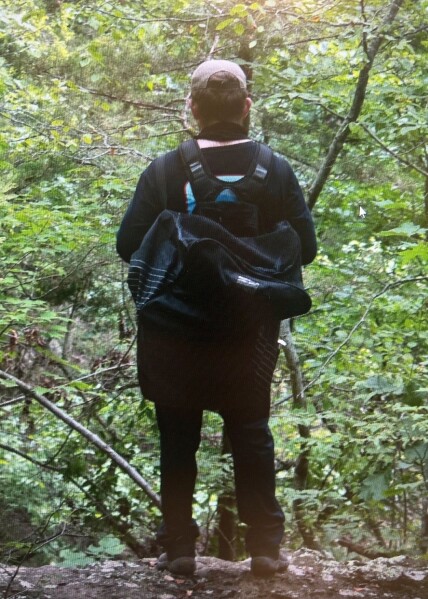
Devil’s Den Tragedy Sparks Renewed Conversation on State Park Safety
The recent tragedy at Devil’s Den State Park has ignited a wave of discussions among outdoor enthusiasts, state officials, and communities alike. While the incident remains a painful reminder of the unpredictable nature of outdoor adventures, it has also spurred important conversations about how we can better take care of ourselves when enjoying the beauty of Arkansas’s parks. In this editorial, we share our thoughts on how to figure a path through the complicated pieces of hiking safety and park security while preserving the joy and freedom that nature provides.
In West Fork, Arkansas, Devil’s Den covers roughly 2,500 acres of enchanting terrain that includes unique rock formations, mysterious caverns, and cascading waterfalls. Until recently, the park was primarily known for these natural wonders. However, the shocking events that unfolded—when a 28-year-old man was arrested in connection with a violent incident during a hiking excursion—have forced us all to take a closer look at the responsibilities and precautions needed for safe outdoor pursuits.
Reflecting on the Tragic Event and Community Response
The impact of the incident has been felt deeply by the hiking community and local residents. Outdoor aficionados and local business owners alike have been navigating the tricky parts of grief while advocating for a safer experience on the trails. Community leaders emphasize that, even in the face of such nerve-racking news, it is essential not to let fear take over the joy of outdoor explorations.
Rick Spicer, a co-owner of a local outdoor center and an experienced wilderness first responder, remarked that the event has sparked discussions centered more on support and better safety practices rather than just fear and alarm. “Yes, the incident is tragic, but it’s important to remember that we generally live in a safe community. We all need to balance our natural desire to get into the wild with the need for sensible precautions,” Spicer explained.
While some may feel overwhelmed at the thought of hiking after such an event, the prevailing sentiment is that tragic episodes like this one are rare. Community resilience is built on the shared responsibility of looking out for one another and fostering an environment where everyone feels secure, even amid the twists and turns that outdoor adventures can present.
Essential Hiking Safety Tips for Arkansas State Parks
Now more than ever, preparation plays a super important role in enjoying the great outdoors. Whether you’re a seasoned hiker or someone planning their first trip to Devil’s Den, here are several practical safety tips that can help you feel more confident when venturing into nature:
- Plan Ahead: Before setting out, make sure you have a clear route mapped out. Let someone know your plans, including the expected return time.
- Stay Informed: Check weather updates and park advisories. Conditions in the wilderness can change quickly, and it’s always best to be prepared for any scenario.
- Pack Essential Gear: Always have navigation tools, a first aid kit, extra clothing, sufficient food, and water. Remember, the little details can make a huge difference in an emergency.
- Use Proper Communication Devices: Carry a charged cell phone or a portable emergency beacon to maintain contact with the outside world.
- Travel in Groups: Whenever possible, hike with a companion or a group. There is safety in numbers, and it reduces the risk of getting into a situation where help is not immediately available.
These straightforward tips are not meant to intimidate anyone but rather to empower hikers to enjoy the natural beauty with confidence. Using common sense, being prepared, and taking the time to plan properly are key steps that echo the foundational principles of outdoor safety.
State Park Security Enhancements and Legislative Measures
Beyond personal precautions, there is a growing conversation about how state authorities can improve park security. Following the tragic incident at Devil’s Den, state legislators have approved measures that aim to enhance safety across the entire state parks system. The Arkansas Department of Parks, Heritage and Tourism, for example, is moving toward creating additional security roles such as park sergeants and rangers. These enhancements are seen as a critical move to ensure that every visitor feels safe while enjoying the natural vistas.
During a recent meeting of the Arkansas Legislative Council’s personnel subcommittee, there was a consensus that a bolstered security presence is a super important step. Although the specific timeline for these roles remains uncertain, the initiative has already begun to shape conversations about what more can be done at the policy level to protect those who use the parks.
State Representative Mary Bentley, representing District 54, emphasized that all families—including those with young children—should feel secure when visiting state parks. “It is absolutely crucial that we provide a safe and welcoming environment in our cherished parks,” Bentley stated. The essence of this approach is to underscore the balance between the inherent risks of any open, natural environment and the proactive measures that can be put in place to minimize those risks.
Community Involvement: The Backbone of Trail Safety
While government initiatives are important, a significant part of trail safety rests with the community itself. Local hikers, outdoor enthusiasts, and park staff play a key role in shaping a culture where safety is a collective responsibility. As Rick Spicer put it, being a “good human” by lending a helping hand can go a long way in preventing harm to yourself and others.
Community shooters of advice have offered additional ways to cultivate a safe hiking environment. These include:
- Buddy Systems: Encourage the use of buddy systems on more challenging trails to ensure that help is readily available if needed.
- Local Safety Workshops: Community-led initiatives, including safety workshops and first aid training sessions, can empower all who frequent the parks.
- Clear Signage: Advocating for improved signage along trails that remind hikers of the essentials, such as staying on paved paths and carrying proper gear.
Ultimately, the combination of enhanced state security measures and a community filled with vigilant and caring individuals creates a comprehensive strategy for overcoming both the obvious and those confusing bits of outdoor safety challenges.
Practical Advice for Working Through the Tricky Parts of Outdoor Preparedness
Hiking safety is not a one-size-fits-all concept. It involves understanding the hidden complexities of outdoor environments and the slight differences in how each trail presents its own set of challenges. Every hike requires that we dive in and figure a path through these varied conditions by becoming knowledgeable about our surroundings, equipment standards, and the potential risks that nature can bring.
For hikers planning an expedition into Devil’s Den or any similar state park, consider these additional recommendations:
- Check-In Regularly: Regular check-ins with someone who is waiting can provide reassurance and facilitate a quick response if plans go off track.
- Know Your Limits: Understand your physical condition and choose trails that match your experience and stamina. Pushing beyond your limits without proper preparation can lead to injuries.
- Be Weather-Aware: The weather in natural areas can be unpredictable. Being aware of the forecast and planning accordingly will help you be prepared for sudden shifts in conditions.
- Learn Basic Survival Skills: Familiarize yourself with first aid and basic wilderness survival techniques. These fine points can give you the confidence to handle unexpected situations.
These practical steps not only help in managing the small twists and turns that are part and parcel of outdoor adventures but also empower individuals with a sense of control. Knowing the basics means you’re less likely to be taken off guard by the nerve-racking or intimidating moments that might occur.
Understanding the Role of Nonlethal Protection in Outdoor Adventures
In addition to proper planning and community awareness, carrying nonlethal protection tools has gained traction among hikers, especially following various bear alerts in the region. Items such as mace and bear spray offer hikers a relatively safe option for self-defense without resorting to more dangerous means.
Rick Spicer has noticed an uptick in the purchase of these items even before recent events in Arkansas heightened security concerns. This trend reflects a cautious approach among outdoor enthusiasts who want to pursue their passion while being prepared for any unexpected encounters.
It is important, however, to remember the following when considering nonlethal protection:
- Training: Thoroughly learn how to use these tools effectively. Without proper training, such items can become ineffective or even hazardous in stressful situations.
- Local Regulations: Be sure to understand and comply with local laws regarding the possession and use of these items. For instance, Arkansas permits individuals with a valid firearm license to carry handguns in many state parks, though this is not without its own set of rules and restrictions.
- Complementary Safety Practices: Nonlethal protection tools should be seen as a supplement to, not a replacement for, the essential safety practices of planning, communication, and preparedness.
By embracing a balanced approach to self-defense and general hiking preparedness, outdoor enthusiasts can continue to enjoy nature without letting the situation become overly tense or intimidating.
Balancing the Joy of Outdoor Exploration with Practical Precautions
For many, the call of the wild is irresistible—a chance to escape from the everyday hustle and breathe in the pure, unfiltered beauty of nature. The events at Devil’s Den have captured the community’s attention, prompting a necessary debate about how to responsibly enjoy these natural spaces while being prepared for the inevitable challenges. The answer lies, in part, in striking a balance between uninhibited exploration and practical, prudent measures.
Outdoor recreation inherently comes with its share of complications, from the unpredictable weather to the confusing bits of trail navigation and the occasional unexpected encounter. However, several critical measures can help mitigate these challenges:
- Improve Your Preparedness: Regularly updating your emergency kit, knowing first aid basics, and maintaining your gear are all super important steps.
- Stay Informed: Engage with local hiking groups and online forums where recent trail reports and weather conditions are frequently discussed.
- Encourage a Culture of Vigilance: Whether it’s through community events or local safety workshops, fostering a supportive environment can significantly enhance the overall safety of outdoor adventures.
By cultivating a mindset that respects both the wild’s allure and its inherent risks, we can all work together to create an environment where outdoor recreation continues to be a source of wonder rather than worry.
Community-Driven Measures for Safer Hiking Experiences
Aside from government-mandated changes, there’s enormous potential for community-driven measures to play a pivotal role in enhancing trail safety. Many local organizations are stepping up to provide resources and training for hikers of all ages. In this spirit, community meetings, volunteer-led patrols, and first aid training sessions are increasingly popular ways to help each other figure a path through the twists and turns of maintaining trail safety.
Some notable community-led initiatives include:
| Initiative | Description | Benefits |
|---|---|---|
| Buddy Hiking Programs | Encourages pairing up for hiking trips to ensure mutual support. | Provides real-time assistance, minimizes risks, and promotes community bonding. |
| Safety Workshops | Local outdoor organizations host training sessions on essential first aid and wilderness navigation. | Empowers hikers with the confidence and knowledge needed for emergency situations. |
| Trail Ambassadors | Volunteers act as liaisons between park management and the hiking community, offering guidance and updates on trail conditions. | Enhances communication, ensures up-to-date information, and builds trust between the public and park authorities. |
Such initiatives underscore the potential for community cooperation in creating an environment where the simple act of enjoying nature comes with well managed risks and a shared commitment to each other’s safety. They highlight how even the little details, when taken seriously, can have a tremendous impact on overall park safety.
Understanding the Impact of Safety Concerns on Outdoor Recreation Culture
The current discussions about state park security and the safety of hiking trails are more than just policy debates—they are reflective of a broader culture that cherishes nature while recognizing its challenges. The impact of recent safety concerns on the overall outdoor experience has been multi-layered, affecting everything from individual mindset to legislative priorities.
Some key cultural shifts include:
- Heightened Awareness: There is now a more pronounced emphasis on being prepared and vigilant. Many experienced hikers are encouraging newcomers to invest time in learning all about the finer points of safe hiking practices.
- Community Solidarity: A renewed commitment to authoring a safety culture is evident, with community members stepping forward to share their own lessons and techniques for managing outdoor risks.
- Policy Reforms: As lawmakers address the need for additional security measures, there exists a clear message that protecting visitors and preserving the joy of outdoor recreation must go hand in hand.
This cultural evolution is essential for ensuring that while tragedies may serve as wake-up calls, they also pave the way for more informed and careful outdoor pursuits. The situation calls for everyone to take a closer look at personal and communal responsibilities—a subtle part that, when combined with thoughtful policy actions, can create a resilient environment for all.
Learning from Past Challenges: Steps for Safer Future Adventures
In reflecting on the unfortunate events at Devil’s Den, it becomes clear that the journey to improved safety is an ongoing process. Every outdoor adventure, from a simple day hike to a month-long expedition, carries with it a set of unpredictable situations. However, by acknowledging these risks and taking mindful steps, we can all work on overcoming the confusing bits of inherent dangers.
Consider the following steps as a guideline for future adventures:
- Regular Safety Training: Engage in periodic first aid and wilderness survival training to boost confidence and preparedness.
- Enhanced Communication: Always keep reliable communication devices handy and update someone about your progress during your hike.
- Community Engagement: Participate in local outdoor clubs or online safety forums to share experiences and learn from others who have successfully managed similar challenges.
- Review and Reflect: After each outing, take the time to review what went well and what could be improved for next time. Learning is an ongoing process and even subtle parts of an adventure can offer valuable lessons.
These proactive steps help not only in managing immediate risks, but also in building a culture where safety is ingrained in every outdoor endeavor. When we continuously learn and adapt, we not only protect our own well-being but also contribute to the greater safety of the community.
Examining the Debate Over Carrying Firearms in State Parks
One topic that has stirred a fair bit of discussion relates to the carrying of firearms in state parks. Arkansas law permits individuals with a proper license and valid ID to carry a concealed handgun in state parks, although some park buildings do not allow such carry. This issue has added another twist and turn to discussions about trail safety and personal security.
Advocates for firearm carry argue that it provides an extra, though expensive, layer of protection for those venturing into remote areas. However, experts like Rick Spicer caution that if you choose to carry a firearm, it is super important to invest in extensive training. Without proper practice, a tool designed to protect can quickly become a source of danger, both for the carrier and others nearby.
Key considerations regarding firearms in the outdoors include:
- Training and Competence: Handling a firearm requires regular practice and a clear understanding of its safe operation to avoid accidents.
- Situational Appropriateness: Assess whether your hiking environment genuinely calls for the presence of a firearm, and weigh that against alternative safety measures like nonlethal deterrents.
- Legal Implications: Stay updated on state park policies and local laws regarding concealed carry to ensure full compliance and avoid any legal missteps.
Maintaining a balance between personal security and responsible practices is a delicate endeavor. Whether you choose to carry a firearm or rely on nonlethal tools, the bottom line is that preparedness and responsible handling are the watchwords in any outdoor safety strategy.
Harnessing Technology and Data for Enhanced Trail Safety
In an era where technology continues to permeate every facet of our lives, leveraging it for improved trail safety is both innovative and essential. From GPS-enabled devices to smartphone applications that track your progress, the integration of technology into outdoor recreation offers several benefits that can help reduce risks on the trail.
Modern technology can assist in various ways:
- Real-Time Tracking: Mobile apps can provide real-time updates on your location, enabling rescue teams to pinpoint your position if you go missing.
- Weather Alerts: Timely notifications about sudden weather changes help you avoid potentially dangerous conditions.
- Community Interaction: Online platforms and social media groups allow hikers to share real-time info about trail conditions or any unusual occurrences they might encounter.
- Digital Check-Ins: Some apps even allow you to set digital check-ins, ensuring that someone is always aware of your planned route and expected return.
These technological advancements are designed to figure a path through the tricky parts of wilderness exploration, providing an extra measure of reassurance as you explore the vast landscapes of Arkansas. By combining traditional safety practices with modern innovations, hikers can enjoy a more secure experience while staying connected and informed.
Embracing a Balanced Philosophy for Outdoor Recreation
Ultimately, the tragedy at Devil’s Den is a somber reminder of the risks that come with the immense beauty of nature. While it has understandably led to heightened discussions about hiking safety and state park security, it is important to embrace a balanced philosophy. The call of the wild remains a largely irresistible force, and while it is super important to heed safety precautions, it is equally important not to let fear rob us of the joy and freedom of being outdoors.
Embracing this balance involves:
- Recognizing the Value of Preparedness: Adequate planning, communication, and community support are the hallmarks of safe outdoor recreation.
- Maintaining a Love for Exploration: Do not let scary incidents completely overshadow the unparalleled experiences that nature offers. Instead, let them serve as reminders to always be mindful and prepared.
- Promoting Open Dialogue: Whether through community meetings, online forums, or conversations with local park officials, engaging in discussions about safety helps keep everyone better informed and prepared.
This balanced approach allows us not only to appreciate the outsize beauty of state parks like Devil’s Den but also to respect the delicate, often unpredictable, dynamics of nature. In doing so, we emerge not as cautious skeptics, but as empowered adventurers who are well-equipped to handle the small twists and unpredictable bits that the wilderness may throw our way.
Shared Responsibility: The Key to Safer Outdoor Experiences
Ensuring safety in state parks is not a task that falls on a single entity; instead, it is a shared responsibility between government agencies, local communities, and individual hikers. As we continue to enjoy these natural havens, it is crucial to remember that every one of us plays a role in making our outdoor spaces as safe as possible.
Here’s how the shared responsibility can be understood:
- Government Initiatives: By increasing funding, creating more security positions, and leveraging technological tools, state agencies are working hard to meet the law enforcement needs of the parks.
- Community Input: Residents and outdoor enthusiasts can provide valuable insights into trail conditions and needed improvements by maintaining open lines of communication with park authorities.
- Individual Preparedness: Ultimately, every hiker is responsible for their own safety by making informed decisions and preparing adequately for each adventure.
This approach of shared responsibility not only fosters a safer environment but also cultivates a sense of unity and cooperation that transcends the immediate concerns following a tragic event. It is a heartening reminder that when we all work together—through simple acts of preparedness and community solidarity—the path to safe and enjoyable outdoor recreation becomes significantly clearer.
Looking Toward the Future: Strategies for Continuous Improvement
As we look ahead, the events at Devil’s Den should serve as a catalyst for continuous improvement in outdoor safety protocols. The measures implemented today, whether by state legislators or community groups, are important stepping stones. However, the journey doesn’t end with one tragic incident or one policy change.
Strategies for ongoing improvement include:
- Regular Evaluations: Continuous assessment of safety protocols and security measures in state parks will help identify the fine shades of improvement needed over time.
- Feedback Mechanisms: Establishing effective channels for hikers to report issues or suggest changes can provide critical data that informs future policy decisions.
- Investment in Training: Persistent investment in safety training for both park staff and the hiking public can help steer through the small distinctions that often make the difference between a safe adventure and an off-putting mishap.
- Embracing Innovations: As technology evolves, so too should the strategies employed for protecting those who cherish the outdoors. Keeping an eye on new safety tools and communication methods is essential for future progress.
These strategies are designed to ensure that the lessons learned from the tragic event translate into long-lasting improvements. They represent a commitment to not only honor those affected by the incident but also to safeguard all future explorers who seek solace and adventure in nature’s embrace.
Final Thoughts: Finding Your Way Through the Twists and Turns of Outdoor Safety
The recent event at Devil’s Den State Park reminds us that while the outdoors offers unparalleled beauty and freedom, it also comes with its set of complicated pieces. From state-level security measures to personal preparedness methods, every aspect of outdoor recreation must be approached with equal parts respect and cautious optimism.
As we move forward, let us remain committed to ensuring that safety is woven into every facet of our outdoor experiences. Let this be a time for learning, community engagement, and re-evaluation of how we can all better care for ourselves and our loved ones while enjoying the wonders of nature.
At its core, outdoor recreation is about connecting with the world around us—a world that is beautiful yet unpredictable. By adopting smart safety practices, engaging in community initiatives, and supporting robust state security measures, we can continue to venture into the wild with a balanced sense of adventure and caution.
Whether you’re lacing up your hiking boots for a day at Devil’s Den or exploring another state park, remember that each step you take is part of a larger journey—a journey that calls for both the enthusiasm of exploration and the awareness needed to get around nature’s tricky parts. Together, we can make the great outdoors a safer, more welcoming place for everyone. Let’s cherish the beauty, learn from the past, and be proactive about our shared future in these treasured natural spaces.
Originally Post From https://www.kuaf.com/show/ozarks-at-large/2025-11-05/devils-den-tragedy-renews-focus-on-hiking-safety-state-park-security
Read more about this topic at
Creating Safer Parks: A Guide to Upgrading Public Spaces
Centering Safety | Feature | Parks & Recreation Magazine