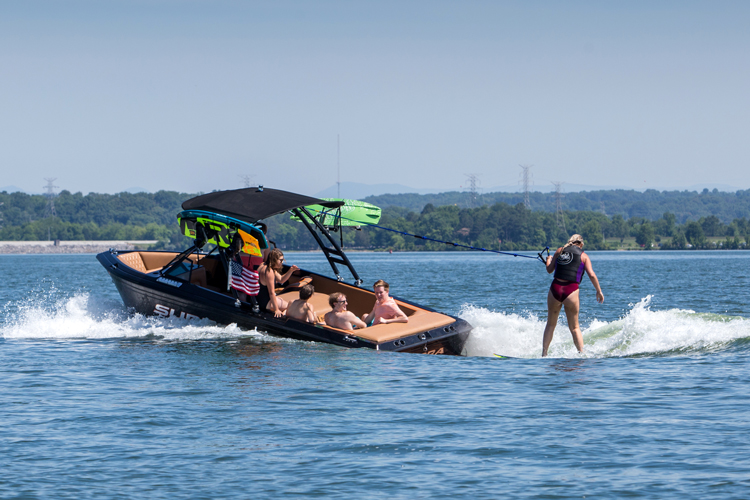
Wake Surfing and the Controversial Impact on Lake Ecosystems
Recent research from the University of Minnesota has stirred up conversation around a well-loved water sport: wake surfing. This new study not only reveals how wake boats can disturb the lake bottom in shallower waters, but also prompts us to take a closer look at the tricky parts of balancing recreational fun with environmental responsibility. As more enthusiasts hit the water and regulators wrestle with the issues, there is a growing need for a balanced discussion on how to manage wake surfing in a way that protects our lakes without quashing the thrill of the sport.
Wake boats are designed with special features such as ballast tanks that create large, surfable waves. However, the very design elements that produce these impressive wakes also contribute to turbulent underwater conditions, potentially disturbing sediments in the lake and affecting water quality. The study specifically kicks into gear when wake boats operate in surfing mode, shedding light on how operating at speeds of 10-12 miles per hour in shallower waters – in particular, at 9 and 14 feet deep – can significantly disturb the underlayers of lake bottoms.
Environmental Concerns and the Hidden Complexities of Wake Boat Operation
One of the most pressing concerns about wake boat usage in recreational watercraft activities is the potential damage to lake ecosystems. The researchers’ findings indicate that wake boats, when operating in surfing mode, create transverse waves and propeller-induced water jets strong enough to stir up silt, fine sediments, and even fragments of underwater vegetation.
The disturbances are not just cosmetic. When the water becomes laden with suspended sediment, it can lead to a decrease in water clarity. This in turn affects the natural feeding behavior of fish and can even disrupt critical environmental processes occurring at the lake bottom. Moreover, the suspension of nutrients like phosphorus could lead to algal blooms that further strain lake ecosystems.
This research highlights some tangled issues and small distinctions in how different watercraft operate. For instance, while typical recreational boats may create some disturbance when operating at various speeds and depths, wake boats in surfing mode generate additional challenges due to the combined effect of transverse waves and chaotic water jets.
Interpreting the Data: Using Sensors, Cameras, and Drones
The study incorporated a combination of underwater sensors, cameras, and drones to measure the impact of wake boats on lake bottoms. These tools enabled researchers to observe pressure waves induced by the boat’s bow and stern, as well as the more subtle transverse waves produced at slower speeds. The prop wash – a swirling, somewhat chaotic water jet created by a boat’s propeller – also played a role in disturbing sediments.
The data collected has proved that even at safer depths, all boats were capable of disturbing the lake bed. Yet, it is the wake boats running in surfing mode that display a marked increase in underwater disturbance. The pictures and drone footage from Lake Minnetonka serve as a stark reminder of just how much sediment can be affected with only a few runs of a wake boat in shallow water. This evidence is fundamental when making decisions about environmental management on our beloved lakes.
Below is a summarized table that gives an overview of the key factors tested during this study:
| Boat Type | Common Operation Modes | Tested Depths | Observed Effects |
|---|---|---|---|
| Typical Recreational Boats | Slow cruising speeds and fast planing speeds | Various depths starting from 10 feet | Disturbance of lake bed sediments at shallower depths |
| Wake Boats | High speed and surfing mode (10-12 mph) | 9 feet, 14 feet, and deeper | Significant disturbance, stirring fine sediments and vegetation fragments |
This detailed breakdown provides a neat summary of the testing parameters used in the study. It is clear that the operating depth and boat mode both play a critical role in determining the impact on the underwater environment.
Balancing Recreational Enjoyment with Environmental Preservation
The debate about wake boats extends far beyond the science. It touches on the broader issues of water recreation, environmental stewardship, and the regulatory responsibilities of state and local governments. On one side of the discussion are the communities and environmental groups that are deeply concerned about these boats “blowing up the bottom” of lakes by stirring up sediments and causing long-term ecological disruptions. On the other, operators and wake surfing enthusiasts argue that the sport is safe when proper conditions are met, citing studies that show minimal impact on shoreline ecosystems when boats adhere to recommended distances from the shore.
For instance, one group of concerns suggests that wake surfing should only be allowed in lakes with substantial areas of deeper water (20 feet or more) to minimize environmental impact. Conversely, advocates like those from the Water Sports Industry Association point out that modern advancements in boat technology have significantly reduced the potential for damage, provided the boats are used responsibly and within regulated areas.
Below are some common points raised by both sides of the debate:
- Environmental Groups and Concerned Residents:
- Highlight the visible disturbance in lake beds observed via underwater footage.
- Advocate for wake boat restrictions or bans on lakes that lack sufficiently deep areas.
- Call for a more cautious approach to wake boat operations close to shorelines.
- Recreational Users and Industry Advocates:
- Argue that technological improvements have made modern wake boats safer.
- Point to guidelines that require wake boats to operate at least 200 feet from shore.
- Feel that recreational access and fun should not be compromised by overly strict regulations.
These bullet points illustrate that the issue is full of problems and tangled issues. There is clearly some nerve-racking trade-off between maintaining pristine lake conditions and supporting recreational water sports that many people derive joy and physical activity from.
Understanding the Science Behind Sediment Suspension and Water Clarity
The study’s methodical approach of examining pressure waves, transverse waves, and prop wash has opened up important discussions about the fine points of how boat operation can affect underwater ecosystems. Wake boats in surfing mode, due to their unique method of generating large, surfable waves, create a combination of forces that can lift fine sediments into the water column. Over time, this sediment can remain suspended in the water for extended periods, reducing clarity and affecting the overall health of the water body.
Let’s break down the science behind these processes:
- Pressure Waves: Created by the bow and stern of a boat, these waves push against the lake bed. While all boats produce such waves, their impact increases in shallow waters where there is little buffer.
- Transverse Waves: These are orbital waves that develop predominantly at slower speeds. They delve into the depth of the water column and can cause even deeper layers of sediment to become disturbed.
- Prop Wash: Defined by the turbulent water jet generated by the propeller, this phenomenon contributes to lifting sediment off the lake bed, making it linger in the water column for a significant period.
These forces, when combined, have the potential to transform what might appear to be a recreational wave into a catalyst for water quality issues. The stirring of nutrients and sediments could set off a chain reaction leading to additional environmental challenges like algal blooms. This, in turn, can alter the habitat for aquatic life and even impact recreational fishing, which many communities depend on for both leisure and economic reasons.
Local Ordinances and the Role of State Regulations
Across Wisconsin, a variety of local ordinances have been introduced to manage wake boat operations on lakes. Presently, more than 59 communities have set up rules that restrict wake boat activity on over 300 lakes, paving the way for broader environmental protection measures within state borders. These local rules often serve as a testing ground for what might become state-wide or even national regulations in the future.
State regulatory bodies are caught between supporting recreational water sports and protecting the delicate environmental balance that our lakes represent. In the past, for example, lawmakers proposed a bill that would have limited wake surfing to areas at least 200 feet away from the shore, but the initiative failed to progress. Additionally, the Wisconsin Department of Natural Resources (DNR) has faced public pressure to enforce restrictions regarding wake boat decontamination to prevent the spread of invasive species.
This regulatory patchwork is as full of problems as it is vital for environmental protection. Both advocates for and opponents of wake boating point to the need for more refined, data-driven policies. Those wishing to limit environmental harm often call for wake surfing to be restricted to waters with a minimum depth of 20 feet, and preferably even deeper, to ensure that disturbances are minimized.
Below is an illustrative list of state and local regulatory approaches seen in recent discussions:
- Local Ordinances:
- Restrictions on boat operations close to docks or boat ramps.
- Guidelines on minimum water depths for wake surfing.
- Measures to protect sensitive shoreline habitats.
- Statewide Considerations:
- Debates over standardized regulations across all lakes.
- Discussions on technology-based solutions to reduce wake impact.
- Potential amendments to existing boating laws to account for new scientific findings.
With local governments and state agencies working through these tangled issues, the conversation continues to be full of problems and loaded with tension. However, a neutral and evidence-based approach is the only path that could clarify the little twists and make your way toward a balanced solution.
The Role of Recreational Culture in Shaping Policy
Wake surfing has grown in popularity over the last few years as more people are looking for alternative ways to enjoy their time on the water. Enthusiasts claim that the sport is not only exhilarating but also less physically taxing than other water sports like traditional skiing. However, as wake boats become increasingly common, the sport has sparked a debate that touches on how recreational activities interact with environmental preservation.
For many water enthusiasts, wake surfing is a key part of their lifestyle—a chance to experience the water in a uniquely dynamic way. Despite this, the sport’s rise comes amid growing concerns about its environmental footprint. Those who support wake surfing argue that a proper understanding of the science shows that if boats are kept at safe distances from the shore and operated within recommended depths, the impacts can be managed.
Conversely, environmental groups emphasize that even when following such guidelines, wake boats in surfing mode can produce significant disturbances in shallower waters. For example, underwater footage has shown fragments of vegetation, rootballs, and fine silt being violently displaced with every pass of the boat. This evidence is hard to ignore when you take a closer look at the potential long-term consequences for lake health.
The recreational culture around water sports is defined by a spirited desire for adventure and freedom. Yet, this same culture now faces the challenge of integrating new scientific findings into everyday practices. The boat industry, local governments, and concerned citizens must work together to manage the nerve-racking trade-offs in a way that respects both the thrill of wake surfing and the need for ecological mindfulness.
Making Your Way Through Conflicting Perspectives
The discussion around wake boat operations is as multifaceted as it is contentious. On one side are the voices calling for stricter environmental safeguards, supported by scientific research that indicates that operating in shallow waters poses significant risks. On the other, there are voices from the boating and wake surfing communities who argue that with modern design modifications and proper operational guidelines, these risks can be minimized.
Let’s take a closer look at the points raised from both viewpoints:
- Environmental Advocates’ Points:
- Emphasize that wake boats in surfing mode are associated with a tendency to stir excessive sediment.
- Argue for the need to restrict wake surfing to lakes with areas deeper than 20 feet.
- Call for more rigorous data collection and regulation enforcement at the local and state levels.
- Wake Surfing Supporters’ Points:
- Highlight the improvements in boat technology that reduce water disturbance.
- Maintain that regulated distances from shorelines and diligent adherence to speed limits are enough to guarantee minimal impact.
- Stipulate that recreational enjoyment should be balanced with environmental responsibility by refining, rather than banning, the sport.
This series of bullet points lays out the confusing bits and subtle parts of the ongoing debate. Both camps agree on one key point: that protecting our natural resources is essential. However, the method of achieving this balance is where the slight differences arise. The wake boat debate is a fine example of how diverse opinions can be layered with both scientific data and passionate cultural sentiment.
Real-World Implications and Community Impacts
The impact of regulated wake boat laws extends beyond environmental concerns—there are significant community and economic factors to consider. In many tourist towns across Wisconsin and other lake-rich regions, wake surfing is part of the local identity. It draws visitors, supports local businesses, and serves as an essential outlet for community recreation.
As the debate intensifies, several critical questions arise:
- How do local economies balance environmental preservation with the need to support recreational boating industries?
- What are the economic implications if restrictions on wake boating lead to fewer visitors?
- How can communities work together to protect their natural resources while still promoting a vibrant recreational culture?
Local governments have responded by passing ordinances aimed at minimizing the negative impacts of wake boats. Yet, these regulations often differ from one community to the next, leaving boaters and visitors with a patchwork of rules to follow. When local rules vary so widely, it can be overwhelming for recreational users to figure a path through the regulatory maze. In turn, this inconsistency can lead to misunderstandings, conflicts, and an overall sense of frustration among those who simply want to enjoy the water.
Mainstream media and local news outlets have played a role in sensitizing the public to these issues. By showcasing drone footage and underwater camera evidence of sediment disturbance, they have brought home the point that seemingly minor disturbances can accumulate over time. What might seem like off-putting scientific details at first glance are, in fact, key indicators of a larger environmental problem that affects both recreational quality and ecosystem health.
Policy Recommendations and Practical Measures
Considering the current state of knowledge, policy-makers face a series of nerve-racking decisions. Scientific evidence from multiple phases of research indicates that to minimize harm to the underwater environment, wake boats – and indeed all recreational powerboats – should ideally operate beyond certain depth thresholds. For wake surfing, this level has been suggested at depths of 20 feet or more, whereas other powerboats operating at high or low speeds might only need to remain in waters with depths of 10 feet or more.
Below is a bullet list summarizing some practical measures that could be applied to reduce environmental impact while still supporting recreational access:
- Designated Areas: Define specific zones within lakes that support wake surfing, ensuring these zones consist of deeper waters.
- Speed Limit Regulations: Enforce lower speeds in low-depth areas, particularly near docks, landing zones, and sensitive ecosystems.
- Distance Guidelines: Maintain minimum distance requirements from shorelines to reduce shoreline disturbance.
- Boating Technology Upgrades: Encourage the adoption of newer boat designs that limit excessive prop wash and reduce sediment suspension.
- Standardized Monitoring: Implement continuous monitoring systems using underwater sensors and drones to track sediment disturbance in real time.
Such recommendations, while managing the tricky parts of environmental protection and recreational enjoyment, can provide a structured approach for policy makers and community leaders. They offer a way to reconcile the multiple little details—be it preserving water clarity, supporting local economies, or ensuring sustainable recreation—that define the broader issue.
Furthermore, policy conversations should extend beyond the immediate effects of wake boats and consider the long-term ecological balance of our lakes. With the use of modern data collection techniques and coordinated regulatory efforts, it is possible to develop robust standards that protect our cherished natural resources while still allowing people to have their fun on the water.
Embracing Technological Advances and Future Research
One of the most compelling aspects of the ongoing research is its demonstration of the potential benefits of modern technology in protecting lake environments. The combination of underwater sensors, high-resolution cameras, and drone surveillance has allowed researchers to capture the small distinctions and hidden complexities of how boat movements impact underwater ecosystems. As technology continues to improve, it is important that both recreational users and policymakers are aware of these advancements and leverage them to make informed decisions.
Future studies might offer even more precise insights into the long-term effects of sediment disturbance on lake water quality and aquatic life. Researchers can use real-time monitoring tools to extend the findings from controlled studies to a broader range of natural conditions, taking a closer look at seasonal variations, water temperature, and additional environmental stressors. This continuous stream of data could eventually guide further refinements to safety guidelines and operational recommendations.
In this context, collaborative efforts between academia, the boating industry, and local government agencies are key. By pooling their resources and expertise, stakeholders can take proactive steps that are super important for both the recreational and ecological health of lake environments. Such cooperation can lead to innovative solutions that respond to both the immediate challenges and the evolving picture revealed by real-time technological data.
Addressing Community Concerns and Building Consensus
The controversy surrounding wake boats is not only a scientific or regulatory issue—it is also a community concern. Many residents of lakeside communities have voiced worries about preserving the natural beauty and ecological integrity of their local waters. At the same time, boating enthusiasts cherish the opportunities for recreation and social interaction that wake surfing uniquely provides.
Building a consensus among these diverse groups is no simple feat. The process involves uncomfortable but necessary conversations about compromises and adjustments. It also demands that policymakers make informed choices based on data that reflect both the immediate and long-term consequences of wake boat operations.
Engaging community members around these questions can be facilitated through public hearings, town hall meetings, and citizen advisory groups. When the stakeholders have a clear platform to express their experiences and concerns, it becomes easier to craft regulations that work for everyone. Community-based monitoring programs could also help bridge the gap between scientific research and local experiences, ensuring that any changes in regulation are directly informed by real-world impacts.
A useful strategy could involve educational campaigns that highlight the subtle parts of the issue in layman’s terms. By demystifying the scientific findings—explaining in everyday language how sediment disturbances can affect water clarity and aquatic life—local governments and community groups can foster a broader understanding of why certain measures are necessary.
The Economic Impact of Wake Boat Regulations
In addition to environmental and community considerations, the economic side of wake boat regulations cannot be overlooked. Tourism, particularly in lake regions, is a major source of revenue for many local communities. Recreational water sports such as wake surfing attract visitors not only for the thrill but also for the overall lifestyle experience, including dining, lodging, and retail opportunities that thrive in such environments.
The economic stakes are high. Imposing overly strict restrictions on wake boats could potentially reduce the number of visitors, directly impacting local businesses that rely on tourism revenues. Conversely, neglecting environmental degradation could result in long-term harm that diminishes the very resource base—clean, clear lakes—that underpin the recreational industry.
Economic impact assessments should therefore be part of the overall regulatory review. A balanced approach can be visualized as a two-pronged strategy:
- Short-Term Economic Health:
- Maintaining recreational access for boom periods and peak tourist seasons.
- Encouraging local businesses to invest in eco-friendly practices in tandem with wake surfing zones.
- Long-Term Sustainability:
- Ensuring that ecosystem health is preserved to avoid costly remediation in the future.
- Developing eco-tourism programs that showcase sustainable recreational practices alongside natural conservation.
By taking a closer look at these factors, policymakers can figure a path through the economic and environmental twists and turns of wake boat regulation. It is not merely a question of imposing restrictions for the sake of rule-making, but rather creating a framework that nurtures both the local economy and the ecosystem that supports it.
Looking Ahead: Regulating Wake Surfing in a Changing World
As wake surfing grows in popularity across the Midwest and beyond, the ongoing dialogue surrounding environmental impacts and regulatory challenges is likely to intensify. The evidence presented by the University of Minnesota study serves as a wake-up call, urging all stakeholders to revisit and potentially revise current practices. It also highlights the necessity of adapting policies in light of emerging scientific insights and technological advancements.
One promising route forward involves adopting phased regulatory measures that can be updated incrementally as more data become available. Such a strategy would allow for pilot programs in select lakes, with close monitoring of environmental impacts. As policies are refined based on feedback and new research, a model for wake boat operations could emerge that judiciously balances recreational enjoyment with environmental safeguards.
This adaptive regulatory strategy could incorporate the following components:
- Incremental Depth Guidelines: Start with conservative minimum depth requirements for wake boat operations, then adjust based on ongoing environmental assessments.
- Technology Integration: Mandate the installation of underwater sensors in high-traffic areas to continuously assess sediment disturbance levels.
- Stakeholder Consultations: Regularly convene advisory committees that include environmental scientists, boating industry representatives, and community leaders.
- Public Reporting: Maintain transparent and accessible reports detailing the state of local lakes and the impact of wake boat activity over time.
Such a strategy acknowledges that while the current study has illuminated several of the confusing bits of wake boat operation, it is by no means the final word on the topic. Ongoing research and open dialogue will be essential as we work through the tangled issues of lakeside recreation in a rapidly changing world.
Conclusion: Toward a Thoughtful and Balanced Future
The debate over wake surfing on shallow waters is emblematic of many modern challenges that blend scientific evidence with cultural practices and economic realities. The University of Minnesota study underscores that wake boats, particularly when operating in surfing mode, can create significant environmental disturbances in depths as shallow as 9 to 14 feet. The implications of these findings are far-reaching, touching on water quality, aquatic habitats, community tourism, and the broader regulatory framework governing water recreation.
While there is no easy answer to the conflicting needs of protecting nature and preserving recreational freedom, thoughtful, data-driven policy recommendations can serve as a guide through the nerve-racking twists and complicated pieces of this debate. By working through the small distinctions and confusing bits together, stakeholders can get into a collaborative mindset that ultimately supports sustainable recreation.
Environmental groups and wake surfing enthusiasts alike have much to gain from a balanced approach—one that respects both the critical importance of water quality and the joy that comes from spending time on the water. Open discussions, continuous monitoring, and adaptive regulation will be super important as we tackle these challenges. Only by recognizing the interconnected nature of economic vitality, environmental preservation, and community culture can we truly sustain the natural beauty of our lakes for future generations.
The ongoing dialogue about wake boating reminds us all that progress often comes through compromise and understanding. As new technologies provide greater insight into the little details of underwater disturbances, and as communities work together to figure a path through conflicting needs, there is a real chance to create policies that honor both the spirit of adventure and the imperative of environmental care.
In the end, whether you’re a wake surfing enthusiast or an environmental advocate, the call to action is the same: let’s keep our lakes pristine and our recreational passions alive by embracing informed, balanced, and flexible regulatory practices. After all, finding common ground is the only sustainable path through the complex, sometimes twisted journey of modern water recreation.
Originally Post From https://www.wpr.org/news/study-wake-boats-deep-waters-surfing
Read more about this topic at
Sail Forth- Steer for the deep waters only. Rec…
Sail Forth