Tuscarora State Forest: A New Era in Outdoor Conservation and Recreation
The announcement of a new district forester for Tuscarora State Forest marks a pivotal moment in Pennsylvania’s ongoing commitment to outdoor conservation and recreation. In this opinion editorial, we take a closer look at the various facets of this development—from the leadership change and its anticipated impact on forest management to the rich tapestry of outdoor activities and community engagement opportunities available within this extraordinary natural haven. We also evaluate the tricky parts of balancing historical legacy with the fresh ideas brought in by new leadership.
Pennsylvania’s Scenic Outdoors: A Rich Tapestry of Nature and Heritage
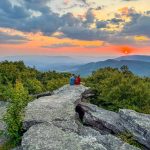
Tuscarora State Forest, sprawling over a vast 96,000 acres in the ridge and valley region, is one of Pennsylvania’s hidden jewels. With narrow valleys and steep, rocky ridges, the forest offers an abundance of wildlife, thriving oak, and hemlock stands—including a myriad of outdoor activities that appeal to nature enthusiasts from all walks of life.
The forest’s well-watered lands are not only ideal for conservation but also for recreational pursuits. Walking trails, mountain biking routes, and scenic picnic areas blend seamlessly with the forest’s natural charm. As more residents and visitors seek ways to get outside and enjoy nature, the forest’s mix of rugged terrain and supportive community makes it a particularly attractive destination.
New Leadership: Dave Yeager’s Appointment and Its Implications
The appointment of Dave Yeager as the district forester is an essential development for the park and the local communities it serves. Having begun his journey with the Department of Conservation and Natural Resources (DCNR) in this very forest, Yeager brings depth of personal and professional experience to the role. His approach is expected to preserve the wild character of the forest while promoting innovative strategies that encourage new visitors to explore its offerings.
Yeager’s background, which includes roles as a forest technician, forester in other state forests, and an assistant district forester in different regions, reinforces his proven commitment to Pennsylvania’s outdoor spaces. With his rich, hands-on experience, he is uniquely positioned to figure a path that embraces both traditional conservation methods and modern recreational demands.
- Emphasis on community-oriented management.
- Focus on maintaining the natural habitat while encouraging recreation.
- Passion for outdoor activities shared with family and local communities.
Outdoor Recreation Opportunities: Exploring Every Corner of Tuscarora
One of the key strengths of Tuscarora State Forest lies in its ability to offer a diverse range of outdoor adventures. As interest in nature escapes continues to grow, many find themselves drawn to regions that provide a mix of accessible and off-the-beaten-path activities.
Tuscarora State Forest Outdoor Activities and Experiences
The forest is a playground for enthusiasts of numerous outdoor pursuits. Popular activities include:
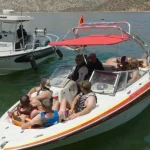
- Boating and Fishing: The forest’s well-watered streams and lakes are ideal for leisurely boating excursions and fishing, offering a peaceful retreat for families and individuals alike.
- Hiking and Mountain Biking: With winding trails that offer both scenic views and a dose of adrenaline, the forest caters to hikers seeking energy, as well as mountain bikers in search of exciting challenges.
- Hunting and Wildlife Observation: Abundant wildlife makes Tuscarora attractive to those interested in hunting as well as bird-watching and nature photography.
- Winter Sports: In colder months, activities such as snowmobiling, sledding, and even ice skating on natural surfaces transform the forest into a winter wonderland.
These activities combine to form a robust tapestry of outdoor offerings. As more people look for ways to escape the intimidating pace of modern life, the forest’s blend of relaxation and activity offers a balanced reprieve.
Preserving the Natural Habitat: Balancing Tradition with Modern Recreation
Managing a large forest like Tuscarora is not without its tricky parts and tangled issues. The challenge lies in preserving natural beauty while making the area accessible for recreation. This balancing act is full of problems, especially when it comes to mitigating human impact without curbing public enjoyment.
Key Strategies for Sustainable Forest Management
Addressing these challenges requires addressing several key points simultaneously:
| Focus Area | Details |
|---|---|
| Sustainable Recreation | Implementing guidelines that allow for recreational activities while protecting sensitive habitats. |
| Wildlife Preservation | Maintaining balanced ecosystems to support native species and biodiversity. |
| Community Engagement | Involving local residents in decision-making processes and volunteer opportunities. |
| Monitoring and Education | Providing educational resources to inform visitors about best practices that reduce human impact. |
By rolling out structured plans that involve both conservation experts and local community leaders, DCNR ensures that advancements do not come at the expense of the forest’s natural beauty. Yeager’s track record and deep personal ties to the area make him particularly well-suited to tackle these complicated pieces with sensitivity and commitment.
Community and Heritage: The Heart of Outdoor Conservation
Outdoor conservation is not simply about maintaining trees and wildlife; it is as much about preserving the cultural and familial ties that bind communities together. Tuscarora holds a special place in the hearts of many, with a legacy of outdoor traditions passed down from generation to generation.
Integrating Family Traditions into Modern Outdoor Recreation
For many, including Dave Yeager and his family, time spent in the forest is steeped in memories and homegrown wisdom. The following bullet points highlight how family traditions play an essential role in conservation:
- Generational Love for Nature: Many local residents remember camping trips, family fishing outings, and the thrill of discovering hidden trails, experiences that instill a lifelong passion for the outdoors.
- Community Education and Involvement: Local schools and youth programs often incorporate outdoor education, teaching children about the value of nature and the importance of conservation.
- Local Volunteer Initiatives: Community-driven programs aimed at forest cleanups, wildlife monitoring, and educational events strengthen the bond between residents and the land.
This strong sense of heritage means that decisions made under new leadership resonate deeply. Balancing modern recreational needs with the cherished family traditions of outdoor living is a central theme in today’s management discussions.
Managing the Forest’s Resources: Facing the Challenges Head-On
While the opportunity to expand public access to natural resources is exciting, it also presents a series of nerve-racking challenges. Ensuring that recreation does not lead to degradation requires a methodical approach, one that Yeager and his DCNR colleagues are prepared to implement.
Breaking Down the Complicated Pieces of Forest Management
Here are some of the finer points that illustrate the multifaceted approach needed to manage Tuscarora State Forest:
- Preserving Biodiversity: From oak and hemlock forests to lesser-known plant species, working through the environmental demands calls for ongoing monitoring and adaptive strategies.
- Public Safety Measures: Ensuring that visitors are informed about safety procedures, whether boating on forest waterways or hiking on rugged terrains, is super important for both enjoyment and well-being.
- Infrastructure and Accessibility: Managing trails, rest areas, and recreational facilities in ways that suit a diverse range of activities while keeping a minimal footprint on the environment.
- Balancing Conservation with Commercial Interests: Decisions about concessions, timber sales, and land use require weighing out benefits against the potential long-term impact on natural capital.
These points illustrate that while the opportunities may seem overwhelming at times, the careful planning and community involvement help to smooth out many of the rough patches along the way.
Integrating Modern Research with Time-Honored Conservation Methods
As technology and research in conservation continue to evolve, incorporating these advances into forest management is a key focus. New methods make it easier to take a closer look at subtle parts of the ecosystem, enabling forest managers to pinpoint small distinctions that can have a big impact over time.
Innovative Approaches in Forest Conservation
Modern conservation practices at Tuscarora involve:
- Digital Mapping and Monitoring: Using state-of-the-art digital base maps to monitor forest health in real time.
- Data-Driven Decision Making: Collecting field data to better understand wildlife patterns and the fine shades of ecological balance.
- Community Science Programs: Partnering with local residents and educational institutions to gather data and engage youth in hands-on conservation efforts.
These initiatives represent a wonderful convergence of tradition and innovation: while the forest has long served as a sanctuary for native flora and fauna, modern research tools now help verify that every decision made is grounded in the latest scientific understanding. This not only reassures visitors and local communities but also reinforces Pennsylvania’s commitment to a forward-thinking conservation future.
DCNR’s Role in Cultivating a Sustainable and Inviting Outdoor Environment
The Department of Conservation and Natural Resources plays a critical role in ensuring that state parks and forests like Tuscarora remain accessible yet protected. With decades of experience under its belt, the DCNR is continually refining its strategies to address the tricky parts of conservation while boosting public engagement.
The Organization and Its Community Impact
DCNR’s comprehensive approach includes several key elements that collectively foster a thriving outdoor environment:
- Public Outreach Programs: Initiatives that educate visitors about the correct ways to enjoy natural spaces without leaving a heavy footprint.
- Workshops and Safety Courses: Classes that cover everything from first aid in remote areas to understanding the fine points of local wildlife behavior.
- Collaborative Conservation Projects: Joint efforts with community partners that ensure park developments reflect both local needs and conservation priorities.
- Support for Local Economies: Encouraging sustainable tourism and outdoor recreation helps create job opportunities and supports small businesses in the surrounding areas.
Clearly, the DCNR does more than manage public lands; it acts as a bridge between nature and the people who cherish it. Through targeted outreach and continuous community involvement, recent developments like Yeager’s appointment are expected to yield a more engaged public and a better-protected environment.
Opportunities and Challenges for Future Generations
As outdoor recreation trends continue to shift, the balance between preservation and public enjoyment will always present fresh challenges and exciting opportunities. The forest serves as an open classroom for young enthusiasts and experienced nature lovers alike, inviting them to explore, learn, and develop a personal connection with the natural world.
Embracing Family-Centric Outdoor Programs
A growing trend in outdoor recreation is the rise of family-centric and community-based programs. These have proven to be a fantastic way to pass down appreciation for the wilderness, ensuring that cherished traditions continue for years to come. Some family-oriented strategies include:
- Intergenerational Trail Walks: Organized walks that allow parents, grandparents, and children to share experiences and learn about the forest’s history together.
- Youth Conservation Mentorships: Programs that pair younger participants with experienced conservationists to instill practical knowledge and respect for nature.
- Seasonal Outdoor Festivals: Community events that celebrate the changing seasons, highlighting activities such as fishing, bird watching, and local culinary traditions that incorporate locally sourced ingredients.
These initiatives prove that even in the midst of evolving challenges, the forest remains a unifying force. Its ability to nurture both wildlife and human communities is a testament to the power of nature-based experiences, proving that every visit, whether for a leisurely hike or a family camping trip, contributes to a larger legacy of outdoor stewardship.
Environmental Education: The Cornerstone of Sustainable Recreation
One of the most significant and sometimes overlooked aspects of forest management is environmental education. By taking a closer look at the subtle parts of ecosystem dynamics, educators and forest rangers help visitors understand and appreciate the hidden complexities of nature.
Key Elements of Successful Environmental Education Programs
Effective educational initiatives incorporate a range of approaches aimed at demystifying the natural world for everyone. Some of the key components include:
| Educational Focus | Impact on Visitors |
|---|---|
| Ecological Literacy | Helps visitors understand the interdependence of species and the importance of biodiversity. |
| Practical Conservation Tips | Empowers individuals to adopt eco-friendly practices during their outdoor adventures. |
| Local History and Heritage | Connects people to the cultural significance of the region and its long history of conservation efforts. |
| Interactive Workshops | Engages participants with hands-on activities that teach the fine details of sustainable land management. |
By making these subtle details accessible—using a combination of in-person workshops, digital presentations, and interactive exhibits—the DCNR not only informs but also inspires its audience. This kind of responsible outreach helps ensure that future generations will continue to value and protect Pennsylvania’s natural treasures.
Looking Ahead: The Future of Tuscarora State Forest and Pennsylvania’s Outdoors
As the face of Tuscarora State Forest evolves under new leadership, there is every reason to be optimistic about the future. The forest stands as a living symbol of Pennsylvania’s commitment to balancing traditional outdoor values with some fresh approaches that appeal to contemporary outdoor enthusiasts.
Sustainable Growth and Community Trust
The following points highlight the optimistic outlook for the forest’s future:
- Enhanced Visitor Experiences: Upgraded facilities and expanded recreational programs are set to make every visit memorable.
- Stronger Community Bonds: Increased local involvement in conservation projects reinforces community trust and stewardship.
- Innovations in Conservation Technology: Continued investment in data-driven management ensures that environmental decisions are informed and effective.
- Long-Term Research Partnerships: Collaborations with universities and research institutions promise to refine sustainable practices further.
It is super important to understand that every decision made today not only benefits current visitors but also lays down a solid foundation for future generations. The ongoing collaboration between local authorities, conservationists, and the broader community is a shining example of how modern outdoor management can honor historical tradition while pushing forward into exciting new territories.
Final Thoughts: A Community United by Nature and a Vision for the Future
In an era where the pace of life is often overwhelming and the need for genuine connection becomes ever more pressing, natural spaces like Tuscarora State Forest offer an escape—a place where tradition meets innovation. The appointment of Dave Yeager is more than just a change in leadership; it is a reaffirmation of Pennsylvania’s commitment to preserving its scenic outdoors while welcoming new ideas that attract a diverse array of visitors.
Whether you are an avid boater, a hiking enthusiast, or someone looking for a peaceful retreat amidst towering trees, Tuscarora State Forest reminds us that nature is a place where family traditions, modern innovations, and community bonds all intersect. It is a vivid example of how natural wonders can serve as living classrooms, community centers, and sources of inspiration for everyone who steps beneath its canopy.
While challenges remain—be they the tricky parts of balancing conservation with recreation or the ever-present need for new solutions to the forest’s complicated pieces—the future looks bright. As we continue to figure a path that embraces sustainability, educational outreach, and community involvement, the legacy of Pennsylvania’s forests will only grow richer.
In conclusion, Tuscarora State Forest is not merely a patch of protected land; it is a dynamic ecosystem that champions both nature and human spirit. Through thoughtful leadership, innovative management strategies, and a deep-rooted love for the outdoors passed down through families, the forest stands as a beacon of hope and inspiration—a true testament to the enduring value of conservation in our modern world.
As we look ahead, let us celebrate the intersection of tradition and modernity, the welcoming spirit of local communities, and the tireless efforts of individuals like Dave Yeager. His journey—from a forest technician to a dedicated leader entrusted with one of Pennsylvania’s most cherished natural resources—embodies what it means to be truly committed to our environment. With every trail blazed, every tree preserved, and every wildlife encounter cherished, Tuscarora State Forest continues to nurture a timeless bond between people and nature.
For those of us who find solace in the great outdoors and believe that meticulous yet passionate stewardship can coexist with exciting recreational adventures, the road ahead is full of promise. As we work through the tangled issues and nervous twists and turns that come with managing such a diverse ecosystem, one thing remains clear—the spirit of Pennsylvania’s outdoor legacy is as robust and enduring as the towering oaks and whispering hemlocks sheltering these lands.
Let us take a moment to appreciate the small distinctions that make our natural landscapes unique, embrace the off-putting challenges with innovative solutions, and welcome new approaches with open arms. In doing so, we honor both the past and the future, ensuring that the legacy of Tuscarora State Forest continues to enrich the lives of all who venture into its wild, inviting embrace.
Ultimately, the journey of forest management and outdoor recreation is a shared one—a collaborative effort driven by community, enriched by history, and propelled by a vision for a sustainable future. With each step we take, whether on a rugged path or a carefully maintained trail, we contribute to a living testament of nature’s beauty and resilience. And in that legacy, every visitor, every local, and every conservationist finds a place to belong, a reason to cherish, and an invitation to continue exploring the incredibly diverse and inspiring world that Pennsylvania has to offer.
Originally Post From https://www.pa.gov/agencies/dcnr/newsroom/dcnr-names-new-district-forester-for-tuscarora-state-forest
Read more about this topic at
DCNR Names New District Forester for Tuscarora State …
Tuscarora State Forest | Department of Conservation and …