Investing in Outdoor Recreation for a Connected Community
Mapleton is embarking on an exciting journey to create an expansive bike park that not only promises an adrenaline-filled ride but also enhances community connection and healthy living. This ambitious project, backed by generous grants and local partnerships, is set to transform a 50‐acre city-owned space into a vibrant hub for mountain biking, BMX riding, and outdoor adventure. In this editorial, we take a closer look at the project, the collaborative funding efforts, and the broader benefits that come with creating such a unique recreational space.
With a shared vision of promoting active lifestyles and strengthening community bonds, local leaders and residents are rallying behind this initiative. The bike park is more than just a recreational facility—it is a statement of commitment to the values of connection, exercise, and open space. Supported by a mix of public funds and private contributions, the project illustrates how creative funding models can help build community-centric amenities even in times of economic uncertainty.
Project Overview: The New Bike Park in Mapleton
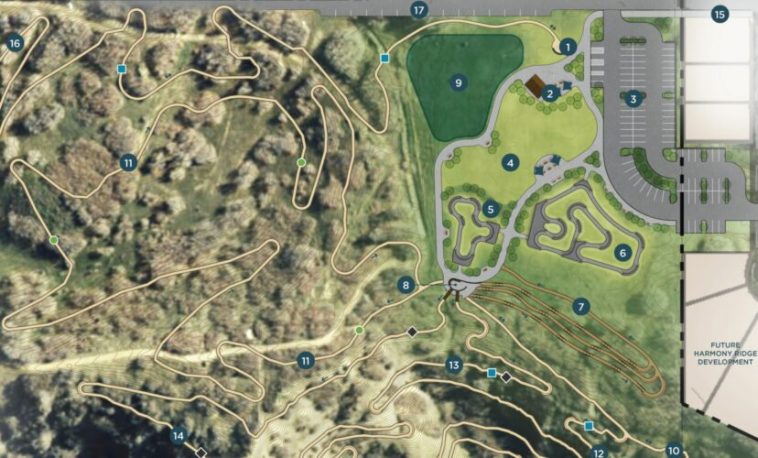
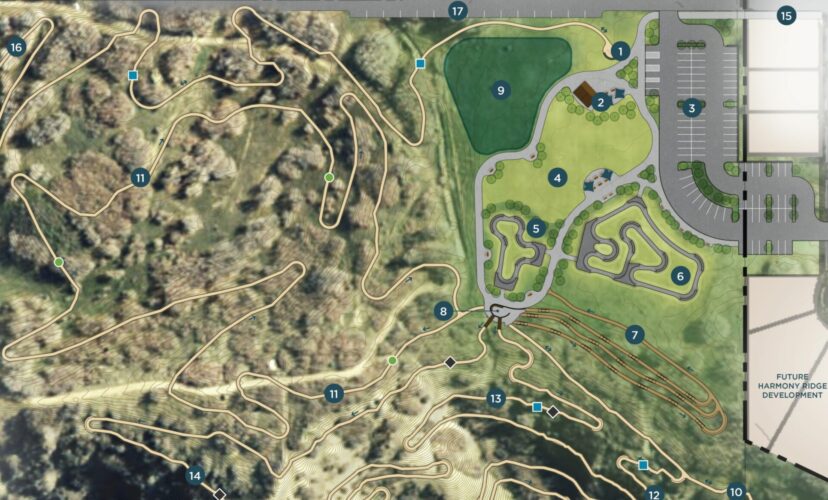
The proposed bike park will transform nearly 50 acres of city-owned land situated between Harmony Ridge and Mapleton Village into a dedicated outdoor recreation facility. The design includes rugged mountain biking trails, jump lines to test riders’ agility, and specialized BMX infrastructure such as a pump track and a skills loop. Currently at about 60% in the design phase, city officials are steadily working through the various twists and turns of the planning process.
This initiative is not just a playground for biking enthusiasts; it is a versatile venue that is set to attract families, competitive riders, and tourists alike. The layout has been carefully crafted to accommodate multiple skill levels, ensuring that riders of all ages and abilities can enjoy the trails without feeling overwhelmed by the tricky bits or the intimidating nature of advanced courses.
Community Benefits: Enhancing Connection and an Active Lifestyle
A key component of the bike park project is its emphasis on community values. Residents have long voiced the desire for open spaces where they can bond over shared interests, nurture an active lifestyle, and simply enjoy the great outdoors. By creating a facility that caters to these needs, Mapleton’s leaders are taking deliberate steps to foster a sense of belonging.
The park will serve as a communal meeting point, a recreational destination, and even a catalyst for future trails along the Maple Mountain bench. In essence, it is paving the way for an integrative community space that reflects the spirit of collaboration and healthy living. When community-driven projects like this merge with recreational tourism, they help create a legacy of vitality that benefits both local residents and visitors.
Securing Funding: How New Grants Are Fueling the Vision
One of the most notable aspects of the bike park project is its innovative funding approach. Instead of relying exclusively on traditional public funds, Mapleton City has sought support from external revenue streams. Two major entities have played significant roles:
- Edge Homes Contribution: Through a renegotiated development agreement, Edge Homes has pledged $3.5 million, recognizing that the bike park will add significant value to the adjacent Harmony Ridge Development.
- Utah Outdoor Adventure Commission Grant: Recently, the commission added another $1.5 million in assistance, showing confidence in the project’s potential to boost outdoor recreation in the Wasatch area.
These contributions are part of a broader strategy to secure nearly $5 million from various revenue sources, out of an anticipated total project budget of approximately $6.2 million. By tapping into diversified funding sources, the city is effectively managing the financial twists and turns that often come with large public projects.
Understanding the Funding Model for Community Projects
Fundraising for large-scale community ventures can be riddled with challenging parts, and Mapleton’s bike park is no exception. However, by breaking down its funding model into clear and manageable pieces, stakeholders can appreciate how each contribution plays a critical role.
| Funding Source | Amount | Purpose/Role |
|---|---|---|
| Edge Homes | $3.5 million | Supports park development adjacent to Harmony Ridge, enhancing property value and community appeal. |
| Utah Outdoor Adventure Commission | $1.5 million | Boosts outdoor recreation initiatives across the Wasatch area, with Mapleton receiving nearly half of the region’s award. |
| Additional Revenue Streams | ~$500,000 | Additional sources to cover the remaining budget and ensure project completion. |
This table highlights how the city is proactively sorting out its funding from multiple independent yet complementary revenue sources. By doing so, Mapleton is ensuring that the project will not suffer from the twists and turns typically associated with tight budgets and funding uncertainties.
Planning and Execution: The Road to Realizing the Bike Park Vision
The process of turning a concept into a concrete reality often involves maneuvering through some nerve-racking and complicated pieces of planning. Currently, Mapleton is engaging in careful discussions and design refinements with community input to ensure that the final product resonates with local values and meets modern recreational needs.
Timeline and Project Milestones
Understanding how the project will evolve over time requires a close look at its timeline and key milestones. City officials have identified several stages that need to be managed efficiently:
- Design Completion: Moving from the current 60% design phase to 90%, ensuring that all little twists and subtle parts are addressed.
- Bidding Process: Once the design is nearly finalized, the city will open up the project to construction firms, allowing for competitive bids and effective project management.
- Construction Start: Construction is anticipated to start early next year, signaling the move from planning to physical execution.
- Phase Development: This first phase could serve as a springboard for additional phases, including further trail development and expansion of recreational offerings.
By breaking the project down into these manageable phases, Mapleton can steadily work through the nerve-racking parts of planning while ensuring that each step meets a high level of quality and community expectation.
Partnering with Local Development: Collaborative Community Efforts
One of the standout qualities of the bike park initiative is its emphasis on local partnership. The project emerged from a joint effort between the city and developers like Edge Homes, who saw mutual benefits in supporting a community recreational space that would complement their residential development projects.
This kind of collaboration is essential for several reasons:
- Shared Vision: Both city officials and private developers share the goal of providing quality recreational amenities that attract residents and visitors alike.
- Mutual Benefits: The park is expected to enhance neighborhood desirability, thereby increasing property values and broadening the appeal of local developments.
- Community-Centric Planning: Working together encourages a more inclusive design process, one that truly reflects community needs and interests.
Such collaborations illustrate how public and private sectors can find their way through sometimes tangled issues to create something that serves everyone’s interests. The shared responsibilities not only reduce the burden on public funds but also ensure that the bike park remains a community-owned asset managed by city staff.
Exploring the Broader Impact on Recreation Tourism
Beyond the immediate benefits to Mapleton residents, the bike park is expected to have wide-ranging effects on recreation tourism in the region. With its expansive trails and diverse features suitable for both novice riders and experienced bikers, the park is poised to draw visitors from across Utah and beyond.
Some key tourism impacts include:
- Attracting Adventure Enthusiasts: As a dedicated facility, the park provides a unique destination for mountain biking and BMX fans looking for new challenges.
- Economic Stimulus: Increased visitor traffic can bolster local businesses such as restaurants, hotels, and retail outlets, providing a boost to the region’s economy.
- Enhanced Regional Reputation: Successful recreational projects contribute to the region’s visibility as a prime destination for outdoor activities, encouraging further investments and partnerships.
With careful planning and implementation, the bike park could become a flagship attraction that symbolizes the spirit of adventure and outdoor exploration in Utah.
Community Values and Outdoor Recreation: Importance and Challenges
It is essential to recognize that projects of this scope are not without their own set of tricky parts and challenges. Balancing community expectations, environmental considerations, and financial constraints requires a careful approach. However, by breaking down these challenges into manageable segments, city planners can navigate through the confusing bits and ensure that the project meets the needs of all stakeholders.
Some of the challenges include:
- Meeting Diverse Community Expectations: The park must cater to riders of different ages and skill levels, which means its design has to address a wide range of needs.
- Environmental Concerns: Preserving natural resources while developing recreational facilities requires extra caution and sustainable planning practices.
- Financial Hurdles: Coordinating multiple funding sources and keeping the project on budget is a balancing act that demands transparency and proactive management.
By addressing each of these challenges head-on, Mapleton’s city staff is paving the way to build a project that not only accentuates outdoor excitement but also remains true to the community’s values and environmental responsibilities.
Economic and Social Benefits: More Than Just a Bike Park
The economic and social benefits of creating a dedicated bike park extend well beyond the immediate scope of recreational facilities. In today’s fast-changing world, local communities benefit enormously from initiatives that offer spaces for healthy activity and social interaction.
Here are some of the major advantages:
- Local Business Boost: Increased visitors lead to higher patronage of restaurants, cafes, and retail shops, which can inject considerable vitality into the local economy.
- Job Creation: The construction phase, along with the ongoing operations of the park, presents opportunities for new jobs in areas such as maintenance, security, and event management.
- Health and Wellness: An accessible outdoor activity center encourages physical exercise, thereby contributing to improved public health and overall quality of life.
- Social Cohesion: The park serves as a common ground where residents from various backgrounds can come together, share experiences, and foster a stronger sense of community spirit.
When viewed from a broader perspective, projects like the Mapleton bike park highlight how recreational infrastructure can be a critical component for sustainable economic development and community well-being.
Environmental Considerations: Balancing Growth and Sustainability
While the focus of the Mapleton initiative is on recreation and community development, it is equally important to consider environmental sustainability. Developing a large outdoor facility comes with its own set of environmental twists and turns that require diligent planning.
City planners are actively exploring strategies to minimize the environmental impact of the project. Some of the considerations include:
- Sustainable Land Use: Ensuring that development activities are in harmony with the existing natural habitats and open spaces.
- Environmental Impact Assessments: Conducting rigorous studies to address potential effects on local flora and fauna, and to propose viable mitigation measures.
- Resource Management: Using eco-friendly materials and adopting green construction techniques to reduce the project’s carbon footprint.
- Long-Term Stewardship: Planning for ongoing maintenance that respects the natural balance of the area while keeping the park safe and accessible.
Balancing growth with sustainability is a tricky part that requires dealing with both small distinctions in design choices and the bigger picture of environmental preservation. By integrating green practices into the project, Mapleton is setting an example for future developments in similar regions.
Long-Term Vision: The Future of Mapleton’s Recreation Spaces
The bike park is just the first phase of what could be a much broader initiative to expand and connect recreational facilities in Mapleton. City officials envision this project as a springboard for future outdoor ventures that would link additional open spaces, trails, and natural areas around Mapleton Mountain and beyond.
This long-term vision includes:
- Expanded Trail Networks: Initiatives to develop interconnected trails that allow cyclists and hikers to explore more of the natural landscape.
- Multi-Use Recreational Areas: Future projects that cater not only to biking but also to activities like running, walking, and even winter sports, thereby creating a year-round recreational destination.
- Enhanced Community Programming: Organizing events, races, and outdoor festivals that encourage participation and further reinforce community ties.
- Tourism Development: Leveraging the success of the bike park to promote Mapleton as a premier destination for outdoor adventure tourism across the region.
By taking a closer look at these future possibilities, it becomes clear that the current project is a critical stepping stone. It sets the stage for an even greater impact—one that enables generations to make their way through, partake in the outdoors, and enjoy a vibrant community life built on shared values.
Community Engagement: Encouraging Active Participation and Collaboration
No community project can flourish without the input and involvement of local residents. The Mapleton bike park project is a shining example of a public initiative that actively encourages community members to voice their opinions, offer ideas, and contribute to the planning process.
Key elements of successful community engagement include:
- Open Forums and Workshops: Regular meetings where residents can learn about the project and share their suggestions.
- Feedback Mechanisms: Surveys and interactive digital platforms that allow community members to provide input on design preferences and operational aspects.
- Volunteer Initiatives: Organizing community volunteer days to help with maintenance, setup, and even the preliminary landscaping work, thereby nurturing a sense of ownership among residents.
- Transparency and Communication: Frequent updates through local media and city websites to keep everyone informed about milestones and upcoming challenges.
By embracing a collaborative approach, Mapleton is ensuring that every subtle part, every little twist, does not go unnoticed. A community united behind a shared goal is well-equipped to get around the intimidating aspects of such a major undertaking.
Managing Project Hurdles: Learning from Past Experiences
Large public projects often come with their own share of nerve-racking and challenging pieces. However, learning from previous experiences in similar communities can provide valuable insights and help manage these challenges effectively. Mapleton’s approach to sorting out funding, designing the bike park, and engaging local businesses and residents reflects a careful and measured strategy.
Some proven tactics to handle project hurdles include:
- Adaptive Planning: Remain flexible during the design and implementation phases to adjust for any unexpected changes in funding or community needs.
- Risk Management: Identify potential problems early on—be it in environmental impact, financial issues, or construction delays—and develop strategies to mitigate them.
- Regular Review Meetings: Schedule frequent check-ins with all stakeholders to discuss progress, address concerns, and celebrate milestones achieved.
- Expert Consultation: Involve professionals with experience in outdoor recreation projects to guide the design process and troubleshoot tricky parts.
By taking a closer look at these strategies and applying them at each stage of the project, Mapleton’s leaders ensure that the venture remains on track, even when faced with perplexing challenges or complicated pieces of planning.
Enhancing Local Identity Through Recreational Infrastructure
Investments in outdoor recreational facilities such as the Mapleton bike park can significantly enhance a city’s identity. Beyond the physical benefits, such facilities create a sense of pride and belonging among residents.
The bike park initiative features several elements that contribute to Mapleton’s unique local identity:
- Heritage and Modernity: Combining traditional values with modern design, the park is a blend of the city’s rich history and its progressive outlook toward recreation.
- Community-Driven Design: The collaborative input from local residents ensures that the park reflects the community’s spirit and lifestyle.
- Regional Ambassadorship: As a premier outdoor destination, the bike park positions Mapleton as a leader in recreational tourism in the Wasatch area.
- Focus on Sustainability: By emphasizing eco-friendly practices, the project underscores the community’s commitment to preserving natural resources for future generations.
This blend of cultural heritage, cutting-edge design, and environmental integrity not only adds value to Mapleton but also sets a benchmark for other communities aiming to revitalize their local attractions.
Embracing the Future: A Call to Action for the Community
The Mapleton bike park is more than a construction project—it is a dynamic platform for revitalizing community engagement, boosting local economies, and promoting healthy lifestyles. As construction plans unfold and new phases of the project are envisioned, it is crucial for all community members to remain supportive and involved.
Residents are encouraged to take an active role in:
- Participating in public forums and offering input on design choices.
- Attending community events related to the bike park and outdoor recreation.
- Staying informed about project milestones through local news and online updates.
- Collaborating with local businesses to create complementary services that enhance the park’s appeal.
Through active engagement, community members can help steer through the intimidating bits of project planning and ensure that the final outcome truly reflects the neighborhood’s desires and needs.
Conclusion: A Future Built on Collaboration, Recreation, and Community Spirit
The Mapleton bike park project is a shining example of how public initiatives, when combined with community involvement and innovative funding, can create facilities that benefit everyone. From enhancing local tourism and economic growth to offering residents a dynamic space for outdoor adventure and connection, the project embodies a forward-thinking approach to community development.
As we stand at the threshold of this exciting new chapter, it is essential to recognize that every dollar pledged, every design decision made, and every community suggestion received is a building block for a future where recreation is accessible, sustainable, and reflective of our shared values.
Mapleton’s commitment to creating a state-of-the-art bike park demonstrates that by working together and managing the tricky parts with transparency and flexibility, even the most nerve-racking projects can transform into landmarks of community pride and enthusiasm. It is a testament to the power of collaboration, creativity, and the enduring human spirit geared toward exploration and connection.
In the coming years, as the trails are laid, the jump lines take shape, and the vibrant energy of cyclists and families fills the park, Mapleton will not just have built a bike park—it will have built a legacy of community engagement, healthy living, and sustainable development for generations to come.
Originally Post From https://www.heraldextra.com/news/2025/nov/10/biking-bonanza-mapleton-receives-grants-to-help-fund-new-bike-park/
Read more about this topic at
MassTrails funding to give 5 SouthCoast cities new bike …
Grants